News
Sound Rivers: 2025 recap!
Advocacy, Education, Environmental, Fish Kills, Flooding, Litter-Free Rivers, Neuse River Watershed, Outreach, Sound Rivers, Stormwater, Stormwater Restoration Projects, Swim Guide, Tar-Pamlico Watershed, Volunteer, Volunteers, Water Quality, Water Watch
Posted on December 23rd, 2025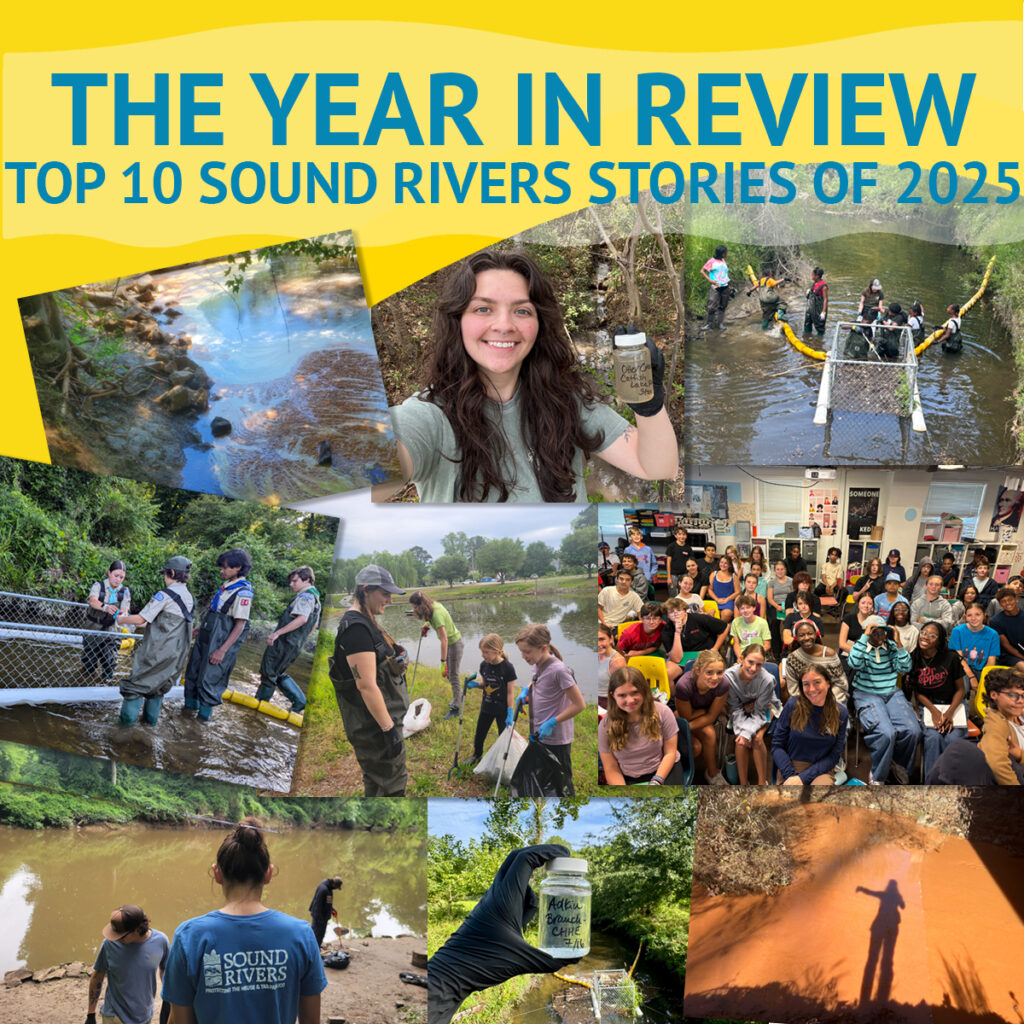
We’re celebrating 2026 with a rundown of our top 10 stories of 2025! It was an eventful year for Sound Rivers. New investigations, new challenges coming from the state and federal governments, new projects — read on for the highlights of a whirlwind 2025!
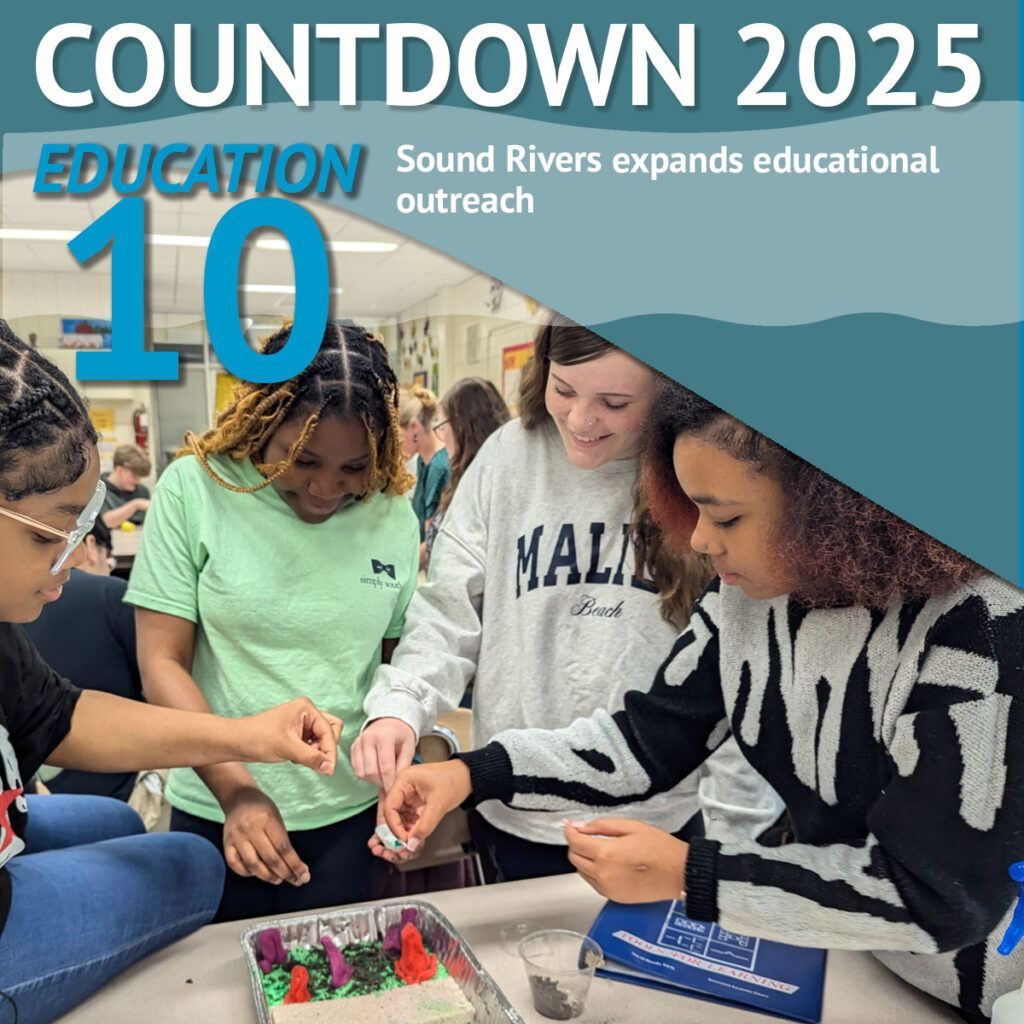
From educational paddles on the Neuse and Tar-Pamlico and tabling at environmental events throughout both watersheds to addressing pollution issues at public hearings and releasing four new podcasts, staff went above and beyond in 2025 to fulfill an intrinsic part of Sound Rivers’ mission: education.
Teaming up with Partners for Environmental Justice in April, Neuse Riverkeeper Samantha Krop led a wetland walk through Walnut Creek Wetland Center. Continuing the work she started in 2024, Stormwater Education Coordinator Sierra Stickney Digan hosted a second Stormwater Week at West Craven Middle School, introducing students to wetlands and water quality, pollution and problems the rivers face.
At the heart of Sound Rivers’ new Water Watch program is education. This year, the Riverkeeping team trained more than 50 volunteers to collect observational data and spot problems on your waterways — and there’s more to come!

Sound Rivers’ Campus Stormwater Program made huge strides in 2025, setting up 2026 for a banner year.
West Craven Middle School was the recipient of an innovative stormwater infrastructure project, thanks to a North Carolina Land and Water Fund grant and the outstanding work of Kris Bass Engineering and Backwater Environmental. Innovative was a grant requirement, so these stormwater innovators found a solution to erosion caused by rain running off the school’s athletic fields, funneling it through a berm and a unique regenerative stormwater conveyance system made of rocky pools to direct the stormwater to slow down, spread out and soak in rather than create gullies.
In partnership with Cummins Rocky Mount Engine Plant, 12 Nash County public schools were assessed and a slew of green stormwater infrastructure projects from rain gardens to RSCs await in 2026!
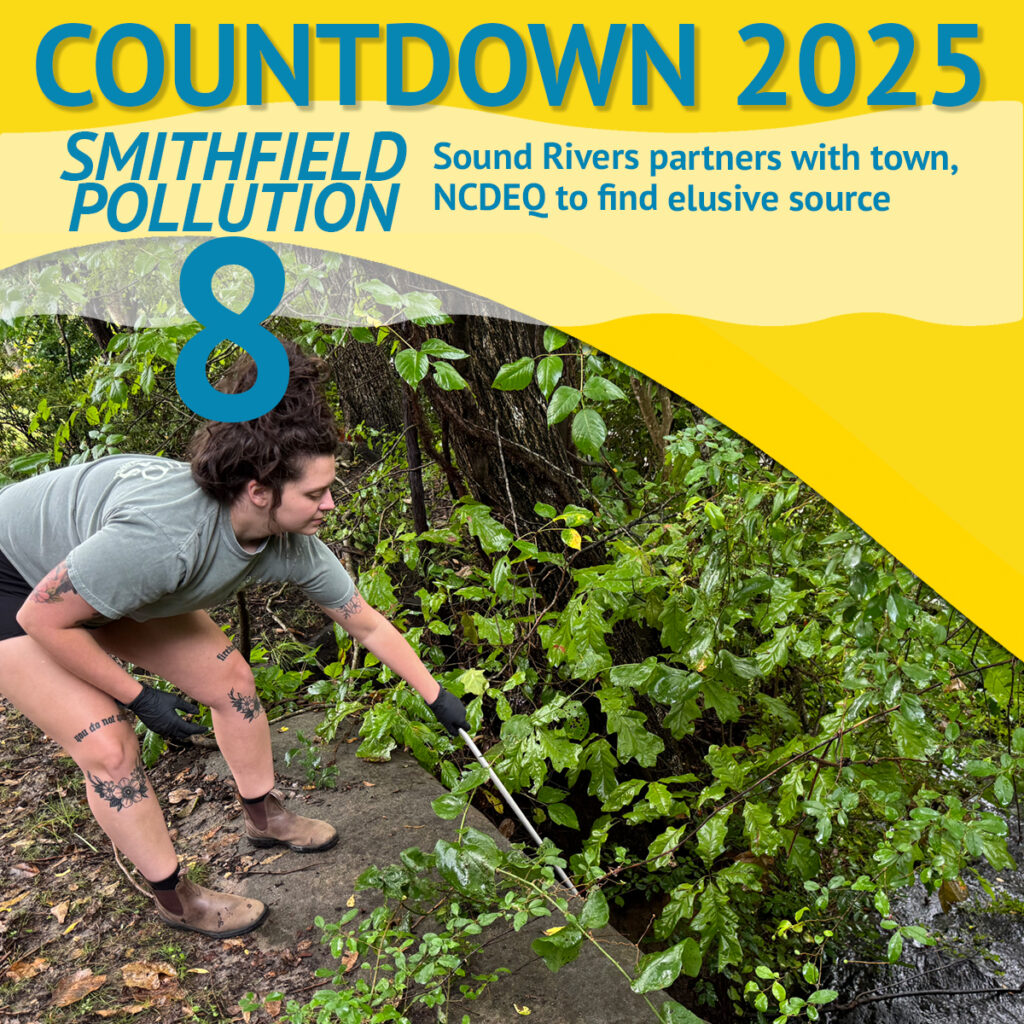
Pollution flowing into the Neuse River in Smithfield continued this year, but Neuse Riverkeeper Samantha Krop is on the cusp of nailing down its source.
In 2024, she and Sound Rivers Program Director Clay Barber stumbled upon a suspicious smell emanating from a stormwater outfall while scouting trash trap locations. The City performed dye tests, but saw no problems. That the outfall is used for a lumber company’s wastewater discharge also muddied the issue.
But in October, Samantha met with NCDEQ staff and Smithfield town officials for a deep dive into potential sources. Sampling results revealed a problem at the lumber mill.
Samantha says it’s likely cross contamination between stormwater and sewer lines, with sewage ending up being discharged by the mill. The town has agreed to do additional dye testing and use CCTV to finally stop the pollution.
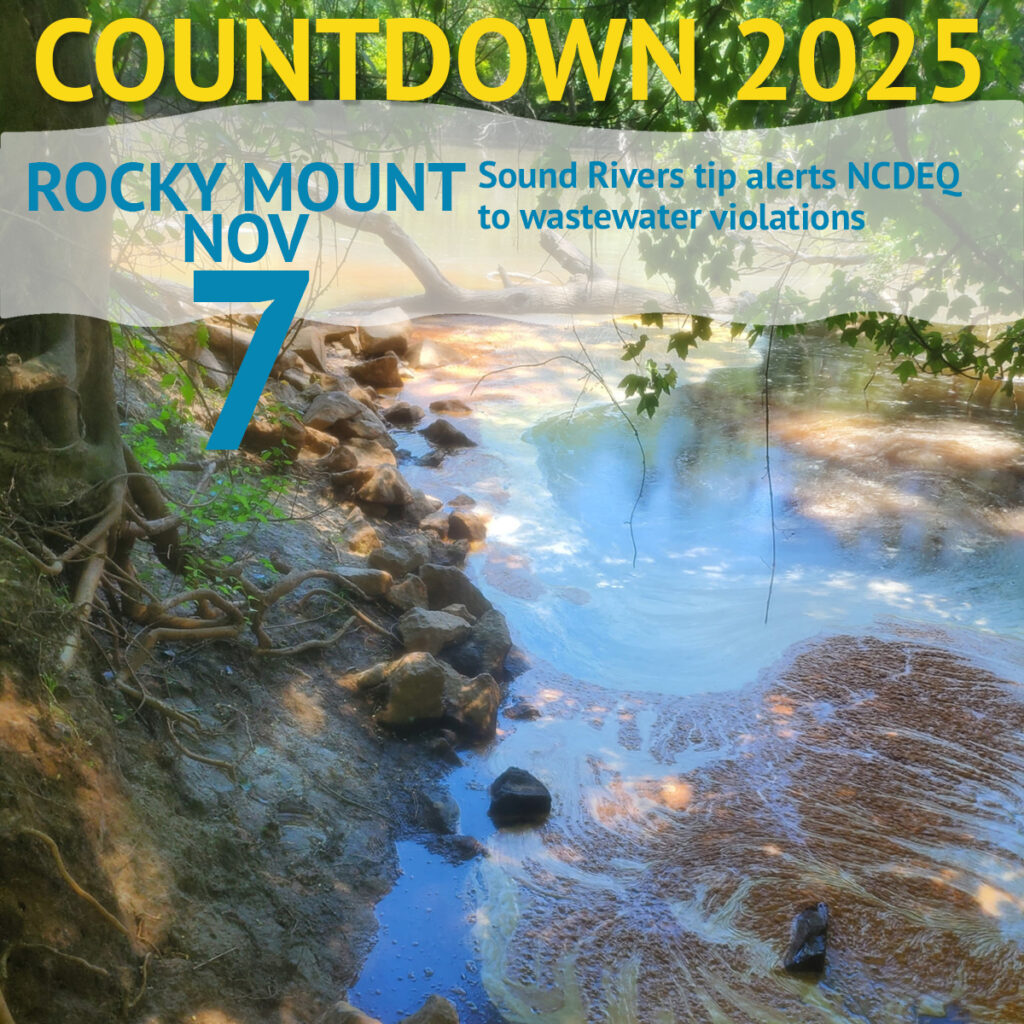
The importance of public participation in spotting problems on your waterways was apparent in May, when a tip reported to Sound Rivers resulted in a Rocky Mount water treatment plant told to “cease operations.”
Photos and video sent to Pamlico-Tar Riverkeeper Katey Zimmerman revealed turbid discharge flowing from an outfall directly into the Tar River. Katey reported the issue to the North Carolina Department of Environmental Quality, which responded quickly.
NCDEQ staff witnessed foams, solids and highly turbid water being discharged into the Tar River from the plant’s outfall and told plant operators to stop operating.
In July, the North Carolina Department of Environmental Quality hit the City of Rocky Mount with a notice of violation and a potential $25,000 civil penalty.
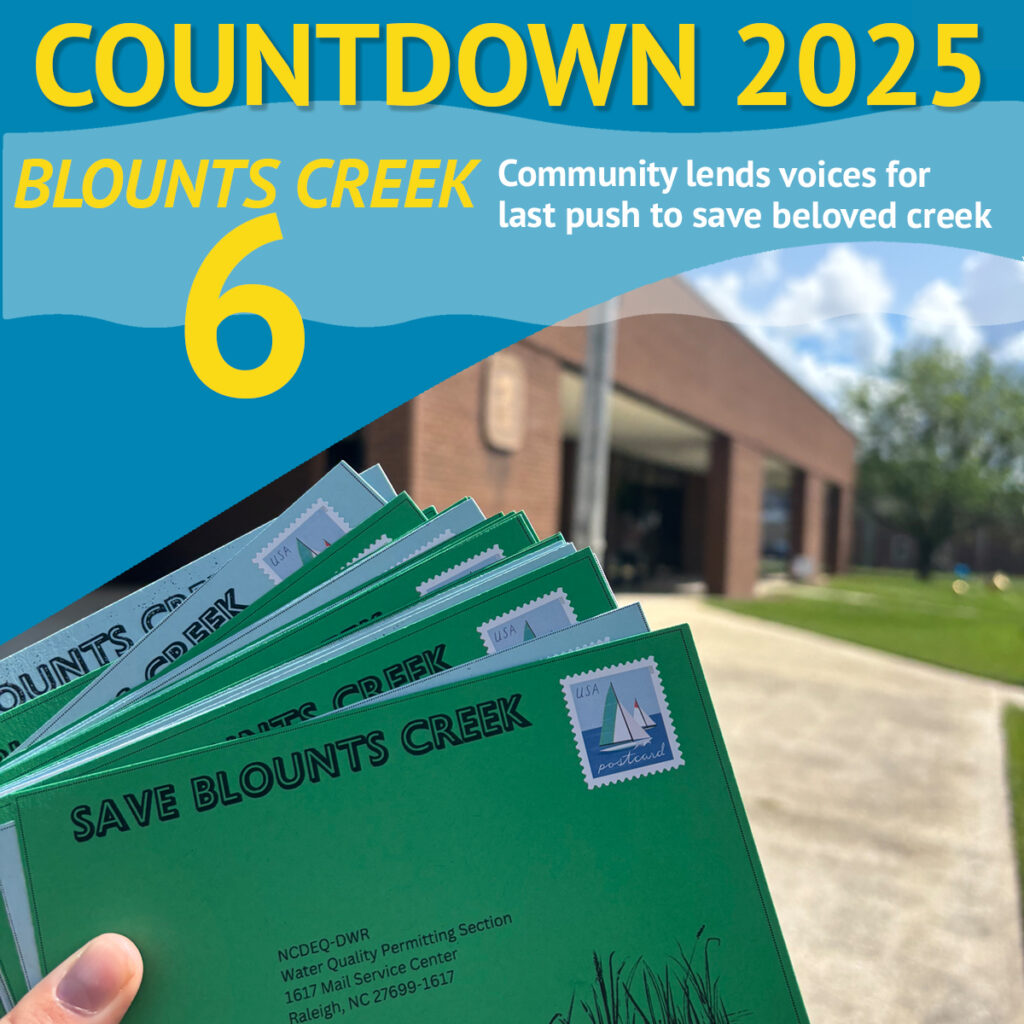
Blounts Creek supporters united again to demand the North Carolina Department of Environmental Quality protect this beloved creek. The ongoing saga to “Save Blounts Creek” has stretched over 15 years, from courtrooms Downeast to the highest court in the state.
This year, a wastewater discharge permit issued for the 649-acre limestone mine in Vanceboro followed a public hearing last November. Sound Rivers also initiated sampling to gather background data to track harm to the creek once mining starts and up to 12 million gallons of freshwater per day are discharged into its brackish headwaters.
In the October, Sound Rivers and many Blounts Creek supporters weighed in yet again with public comments, aiming for the strongest enforceable permit for a creek designated by the state as a nursery for saltwater species.
Two weeks ago, NCDEQ issued the permit. All signs point toward mining starting in the new year.
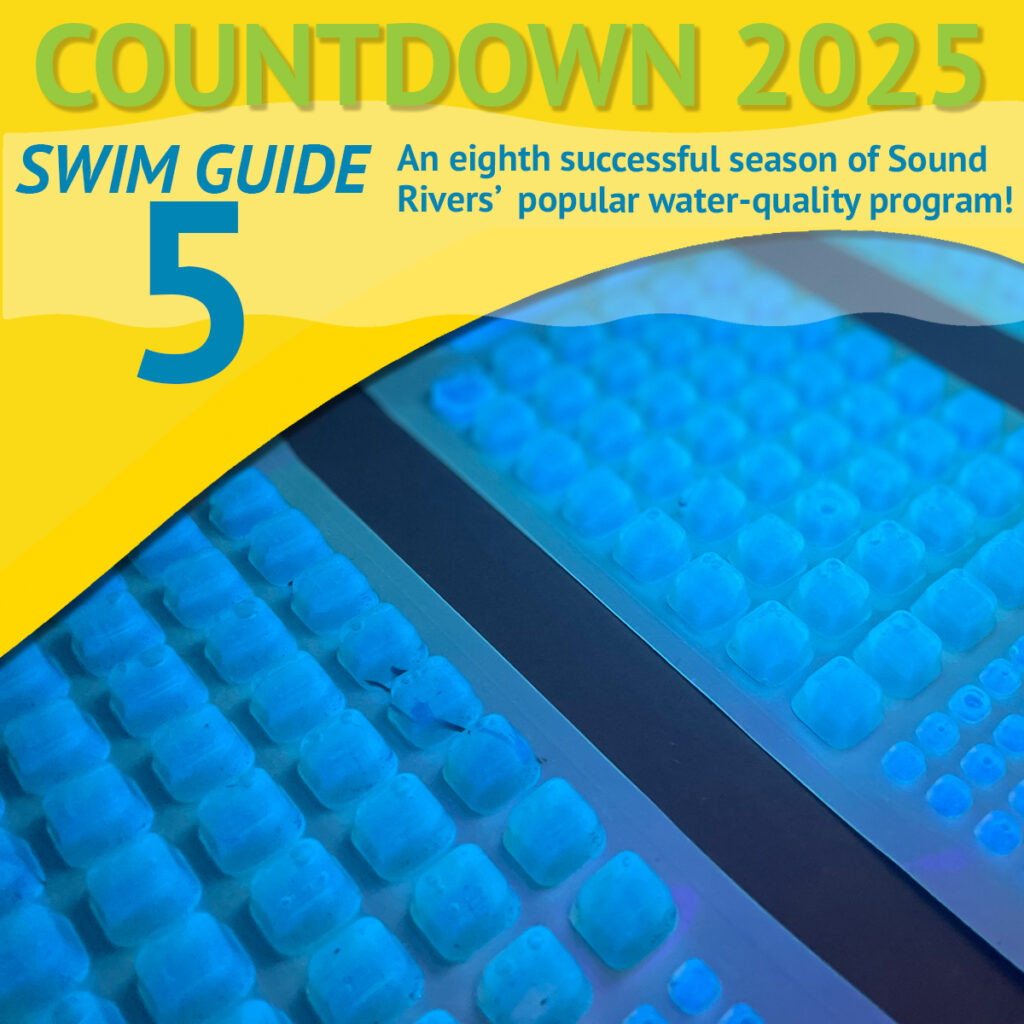
Sound Rivers celebrated an eighth successful season of this popular recreational water-quality program. From Memorial Day to Labor Day more than 50 sites in the Neuse and Tar-Pamlico were sampled weekly; more than 800 samples processed and thousands of people concerned about water quality were able to access real-time, water-quality results through soundrivers.org, social media and media partners.
With the constant flow of data, Swim Guide also allows your Riverkeeping team to track down and resolve pollution issues or keep track of stubbornly ongoing ones.
Volunteer Coordinator Emily Fritz orchestrates this massive program, managing Sound Rivers’ summer interns in three offices, organizing volunteers, coordinating sample drop-offs, and ensuring results are made public. This, so people have a resource showing how much bacteria is the water — when to jump right in and when to steer clear!

Litter-Free Rivers expanded again in 2025, bringing the total number of trash traps on urban waterways across the Neuse and Tar-Pamlico to 11.
In May, the Town of Clayton welcomed a trash trap on Little Creek. 2026 will bring even more: on Walnut Creek in Raleigh, on Spring Branch in Smithfield, and, in partnership with Cummins Rocky Mount Engine Plant, Sound Rivers is pursuing installing a third in Nashville. These will join Sound Rivers’ existing fleet of passive litter-collection devices on streams in Washington, New Bern, Greenville, Kinston, Tarboro and Raleigh.
Since the program began, more than 4 tons of trash have been removed from tributaries of the Neuse and Tar-Pamlico. In 2025 alone, 288 dedicated volunteers removed nearly 3,000 pounds at trash trap cleanouts or by adopting an individual trap for a month.

For more than two years, Sound Rivers has worked to identify the source of, and stop, the ongoing pollution of Slocum Creek, a much-loved tributary of the Neuse River in Havelock.
Alerted to the issue by constantly failing Swim Guide results, the Riverkeeping team embarked on a years-long investigation, partnering with the City of Havelock, Craven County, NCDEQ and the University of North Carolina’s Institute of Marine Sciences.
The cause: septic system failures at a home in the Wolf Pit Branch neighborhood and at Greenfield Heights Mobile Home community.
Notices of violation were issued to both but remain unresolved. Neuse Riverkeeper Samantha Krop is working with the Greenfield Heights owner to get assistance through an EPA grant, and a North Carolina Land and Water Fund grant will allow Sound River to continue efforts to stop the pollution.
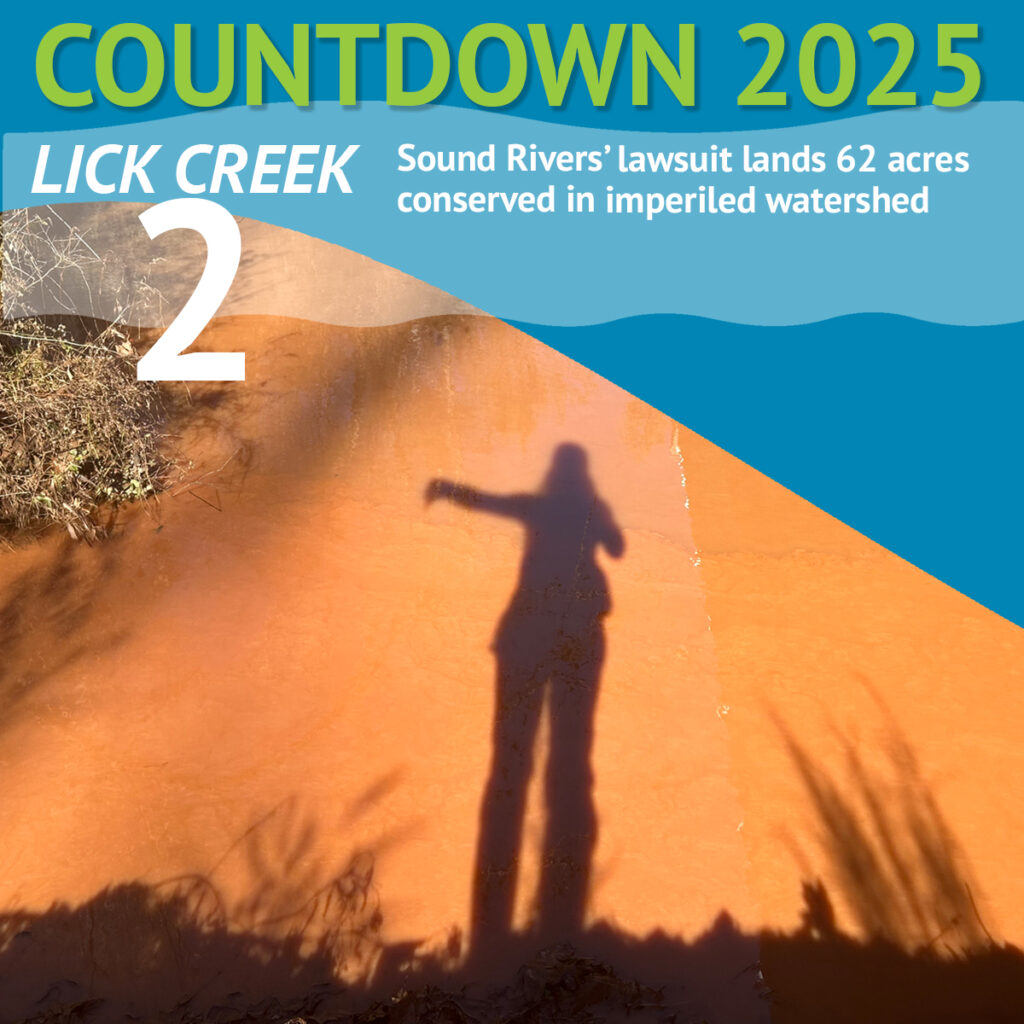
When a developer settled Sound Rivers’ Lick Creek lawsuit in September, it put a cap on a three-year battle to stop sediment pollution from pouring into Martin Branch and Hurricane Creek — both tributaries of Lick Creek that flow into Falls Lake, a major drinking-water source for Raleigh.
Since Neuse Riverkeeper Samantha Krop joined Sound Rivers in 2022, she’s waged a campaign against sediment pollution from rampant development in southeast Durham, urging city and county officials to demand responsible development and stronger sediment and erosion controls.
The 2023 lawsuit filed by the Southern Environmental Law Center on Sound Rivers’ behalf resulted in Clayton Properties Group’s agreement to stop the pollution, provide funding to preserve a 62-acre tract in the imperiled watershed and served as a warning to other developers to make more of an effort to protect Upper Neuse waterways. A huge win for Sound Rivers and Lick Creek/Falls Lake/Neuse River!
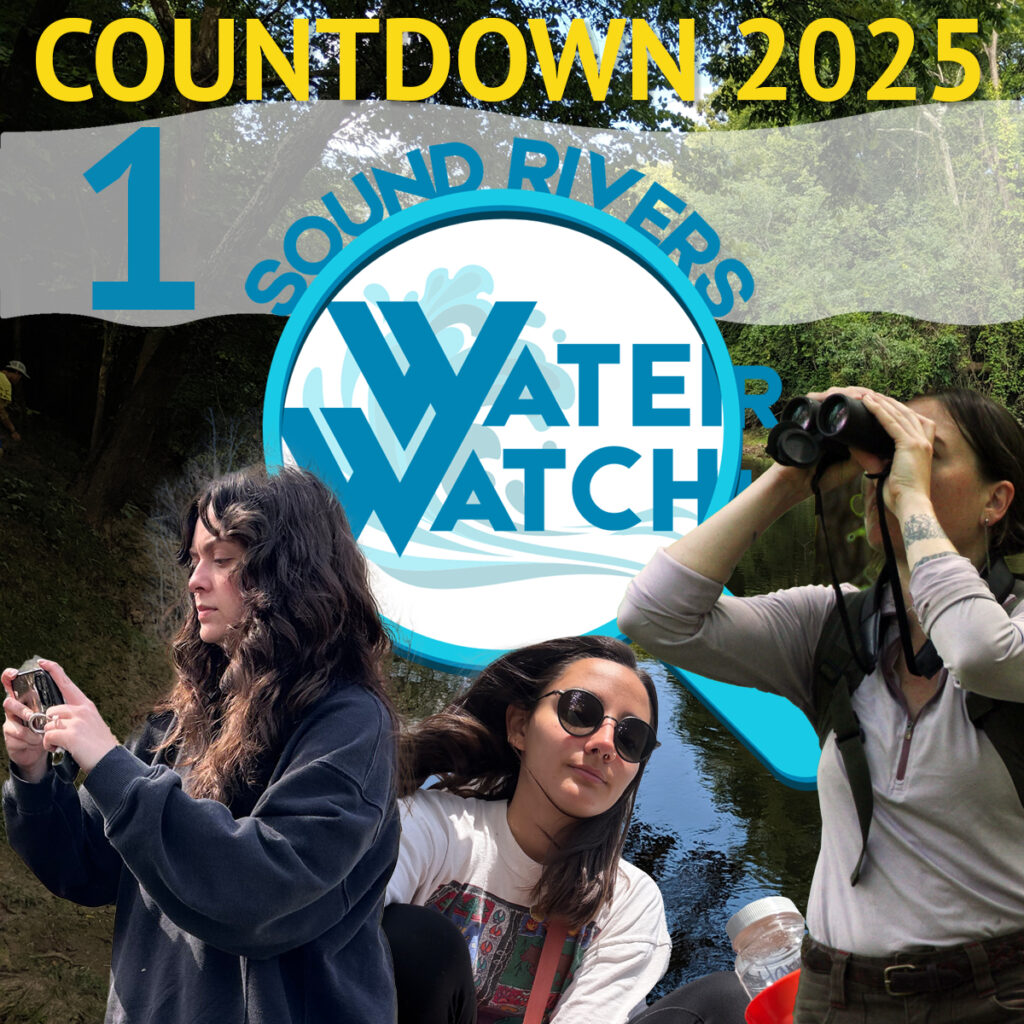
In April, Sound Rivers’ Riverkeeping team launched its most ambitious program to date: Water Watch.
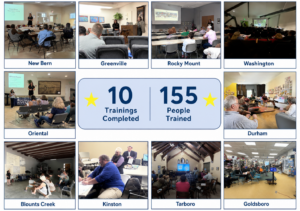
This community-science program made big splash with a series of trainings in Oriental, Blounts Creek, New Bern, Washington, Greenville and Kinston, resulting in a growing team of enthusiastic Water Watchers.
By November, the list of sites observed monthly by these volunteers grew to 70, ranging from small tributaries to favorite spots on the river in both watersheds.
The Neuse and Tar-Pamlico watersheds encompass two rivers, 928,052 acres of estuary, 5,909 miles of streams and 21,423 acres of freshwater lakes across 12,210 square miles of North Carolina. Inviting community members to keep an eye out for pollution is a commonsense approach to increasing Sound Rivers’ ability to monitor and protect your waterways.
More trainings are planned for the new year! Visit soundrivers.org/water-watch to find out more!
Though there were many, MANY other investigations, events, projects and more, these stories highlight the work Sound Rivers is doing across the Neuse and Tar-Pamlico watersheds on a daily basis. Your donation today will help us continue this work (and more!) in 2026! Donate today!
Related News
Flyover reveals Brices Creek sediment pollution sources
September 17th 2026

Low oxygen levels cause of New Bern fish kills
September 17th 2026
Inaugural Spruce up the Neuse a huge success
September 17th 2026
Boat day doubles as algal bloom surveillance
September 17th 2026
Controversial dock expansion prompts Riverkeeper response
September 10th 2026
Riverkeeping team investigates Brices Creek pollution
September 10th 2026
Parts of upper Tar watershed still in exceptional drought
September 10th 2026
Court affirms State must protect resources
September 10th 2026