
News
By Forrest English
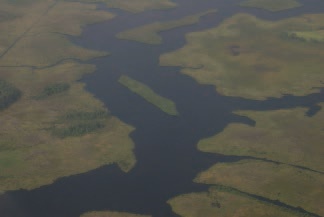
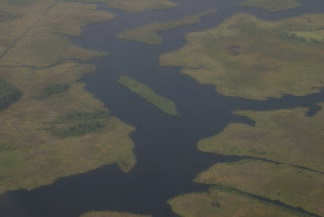
The Albemarle-Pamlico estuary is the second largest estuarine complex in the lower 48 states. It also holds another interesting distinction as the largest lagoonal estuary in the world, due to the ecosystem created by the Outer Banks. The Tar-Pamlico River is one of 6 major rivers that flow into this estuary; an estuary of vast ecological and economic resources. About 90% of the United States’ recreational fisheries catch and 75% of its commercial catch spend time in estuaries, such as the Pamlico River estuary, all of which fuel a billion- dollar recreational and commercial fishing economy.
However, all has not been well on the Pamlico River. In 1989 the Director of the North Carolina Division of Marine Fisheries declared the Pamlico River “commercially dead.” Community members held a funeral procession in downtown Washington. Dressed in black, concerned citizens were not there to mourn; they were there to send a message. Stated best by then PTRF executive director, Dave McNaught, “The river itself is not dead. If we act now we can breathe life back into the Pamlico.”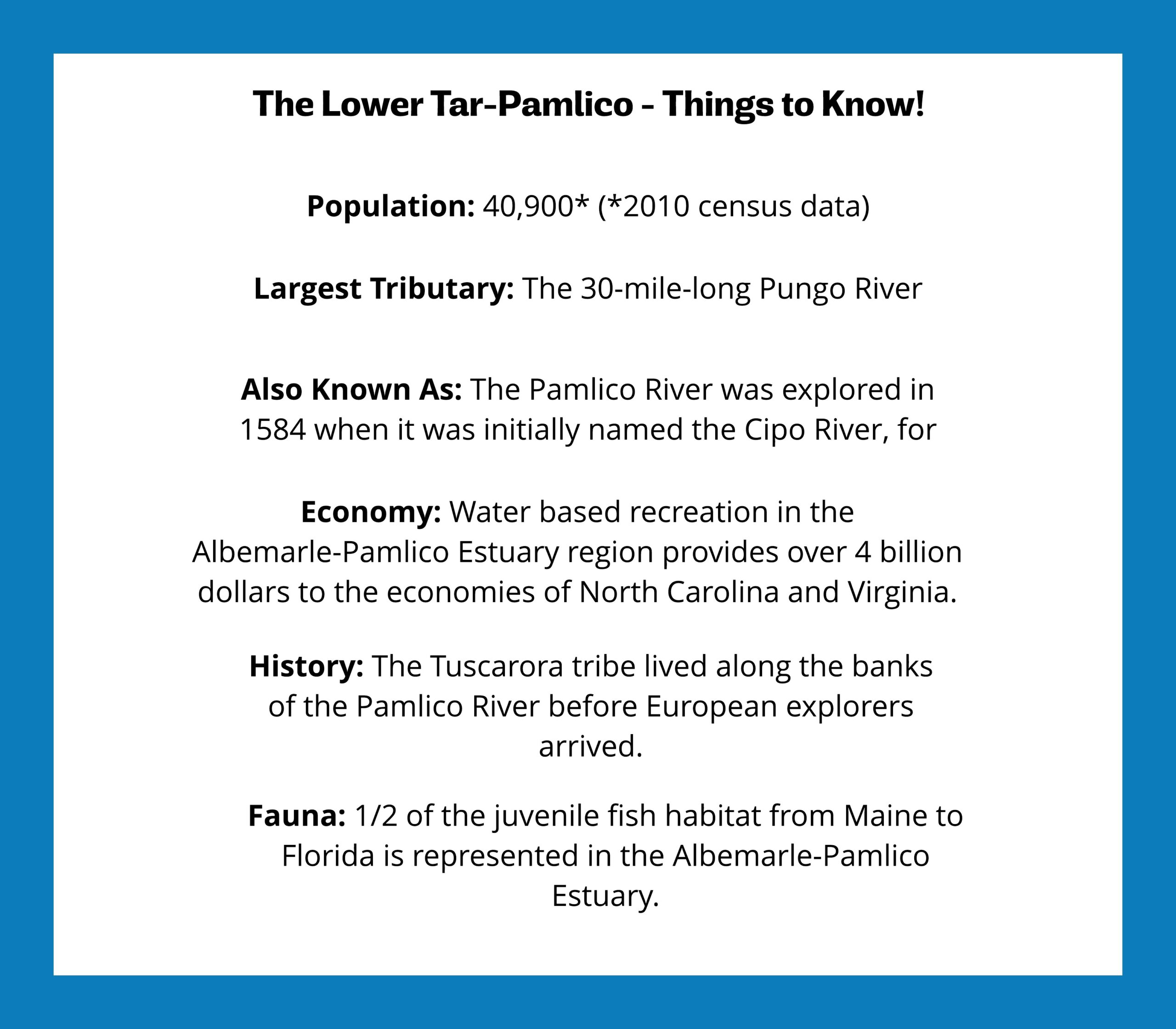
In the mid-1980’s, the recorded commercial catch in the river fell from 5 million pounds of crab and more than 1 million pounds of fin-fish to less than half that by 1988. Fish and crab kills greatly increased over the same time period. Fungal diseases that cause open sores, now common in Pamlico estuarine fish, were first reported by commercial fisherman in 1984.
Since that time, an array of environmental problems have occurred in the Pamlico estuary: algal blooms, dead water zones, loss of aquatic vegetation & habitat, fish kills, and crab & fish diseases. Human-induced stressors, such as nutrient pollution, play a significant role in the frequency and amounts of algal blooms, fish kills, as well as the presence of open sores on fish.
The Pamlico River estuary has improved from the days described as “commercially dead.” That is partially due to the nutrient management measures put in place in the 1990’s and early 2000’s to aid in improving water quality and the fisheries environment. Such improvements are the direct result from these measures, but we still have a long way to go.
The Lower Tar-Pamlico River flows through our communities, providing drinking water to the towns of Tarboro and Greenville, and is heavily used for fishing and recreation in the region. This section of the River holds a special place in people’s hearts, and protecting it from the threats it faces is incredibly important to Sound Rivers. We advocate for the health of our rivers, so they remain the beautiful centerpieces of our region.
Related News

Program director scouts potential projects at Rocky Mount High School
February 5th 2026

Strategizing the star of Kingsboro data center meeting
February 5th 2026

Snowmageddon: Oriental
February 5th 2026

Cleanup community honors prolific litter-getter
February 5th 2026

Ice an unexpected litter-free helper
February 5th 2026

Riverkeeper represents Sound Rivers at film festival
February 5th 2026

Wayne County biogas facility pollution nets NOV, again
January 29th 2026

One man, 75 tons of trash
January 29th 2026
