
News
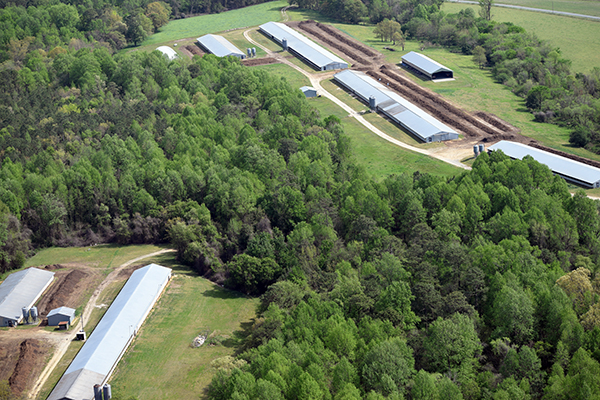
Pamlico-Tar Riverkeeper Jill Howell and Neuse Riverkeeper Samantha Krop spent Wednesday in the field this week, flying over poultry facilities with confirmed cases of avian flu.
“Since March 28, there have been nine facilities with confirmed cases in North Carolina, all of which are in Johnston and Wayne counties,” Jill said. “We saw what appeared to be large compost piles in rows alongside the barns at a number of facilities.”
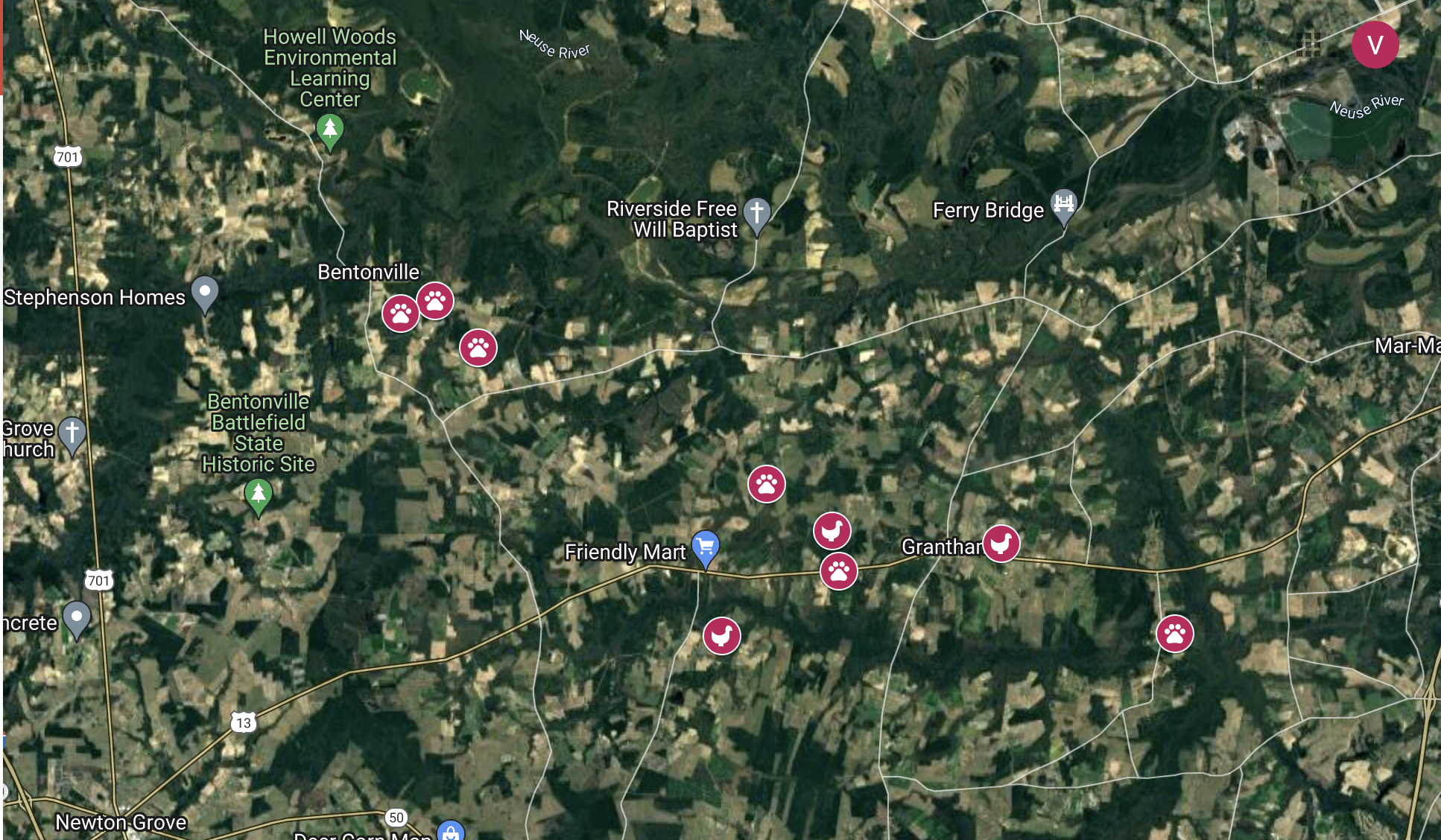
She said they will continue to monitor the composting operations and all forms of disposal of poultry impacted by the flu to make sure there are no water-quality impacts during disposal of the birds. To dispose of birds in such a huge quantity, the options are either composting or mass burial, both of which can have impacts on adjacent surface waters or groundwaters if not done properly. The lack of transparency in North Carolina’s poultry industry means Riverkeepers have to hunt for the locations of outbreaks and disposal methods being used, which presents a barrier to monitoring water-quality impacts.
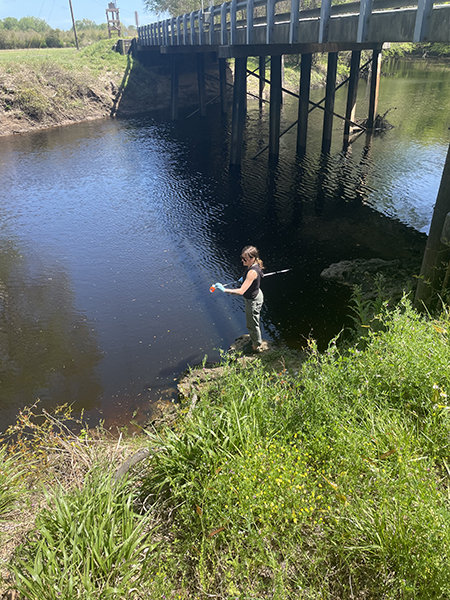
Later Wednesday, the two Riverkeepers scouted the Lower Neuse river basin for potential water-quality sampling sites near swine CAFOs (concentrated animal feeding operations), collecting samples to analyze for E. coli near Pollocksville and Trenton.
Related News

Momentum growing for data center resistance
March 5th 2026
New sediment issue reported, this time on Little Lick Creek
March 5th 2026
Sediment pollution spotted on Tar River tributary
March 5th 2026

Riverkeeper shares Sound Rivers’ work at annual science symposium
March 5th 2026
Durham’s planning process comes to a screeching halt
February 26th 2026
Riverkeeper taps into emerging issues
February 26th 2026
Riverkeeper: rezoning for more housing in floodplain a bad idea
February 26th 2026

Windy, cold field day for sample-collecting specialist
February 26th 2026
