
News
Riverkeeper on the Ratepayer Protection Act: ‘Bad outweighs the good’
Environmental, Neuse River Watershed, Sound Rivers, Tar-Pamlico Watershed, Water Quality
Posted on June 18th, 2026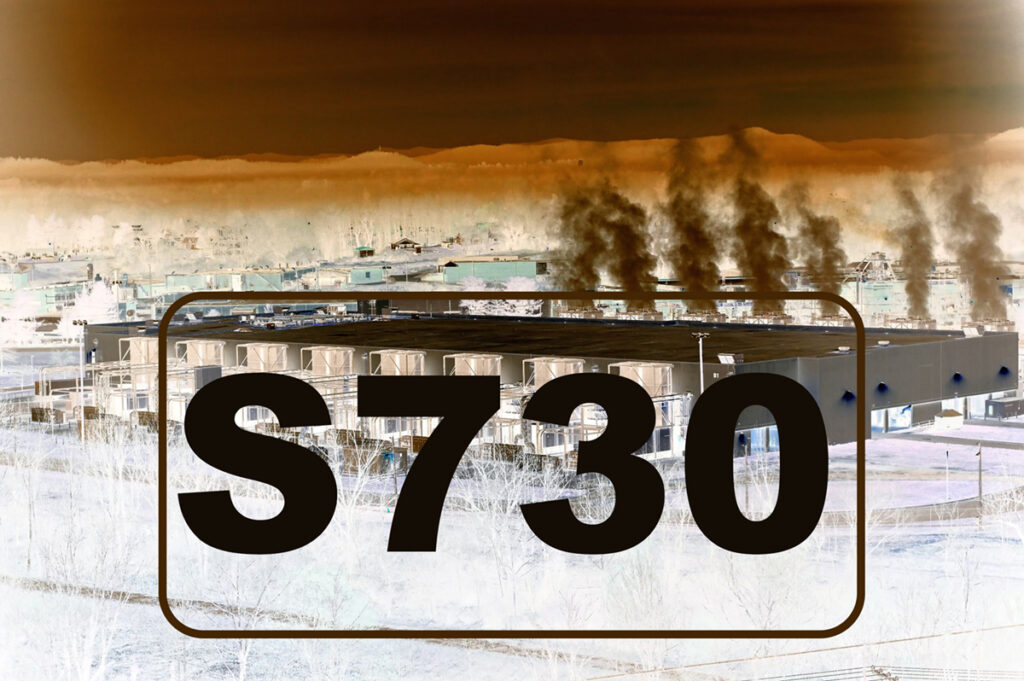
A controversial bill passed through the North Carolina House of Representatives recently — a bill that on one hand addresses some data center impacts, but on the other, forces continued reliability on fossil fuels.
“Overall, we are not in support of this bill because, while it does have initial steps to address data center impacts, the bad stuff outweighs the good,” said Pamlico-Tar Riverkeeper Katey Zimmerman. “The good things are requiring sound-impact analysis, prohibiting the use of eminent domain for powers of local governments — meaning they can’t give away land to developers. They’re targeting DEQ to adopt certain standards for surface water and groundwater, and banning the use of evaporative cooling systems, which those, by far, use the most water.”
The ”bad,” in comparison to the good, is the bill would require the NC Utilities Commission to certify a new nuclear plant before Duke Energy could shut down any of its coal plants, and the “protection” claimed in the bill title fails to address the biggest threats data centers pose to communities.
According to a fact sheet created by North Carolina Conservation Network, S730 does not include:
- Guaranteed ratepayer protection. S730 includes only basic contract provisions, and lacks authority or direction for the NC Utilities Commission to establish a large load tariff with more robust protections for ratepayers. This bill also does not address the issue of residents paying higher rates than industrial customers like data centers.
- A ‘bring your own energy’ provision. One way to contain costs for ratepayers is to make data centers bring their own power. S730 calls for a study of the concept – but other states are moving forward with this protection now.
- Protection for water ratepayers. Data centers pay for water, but as is currently the case with energy, the capital costs of massive system expansion will fall on everyone, driving up residential water rates.
- Special provisions to address local air pollution. Data centers typically rely on massive banks of diesel generators to provide backup power; diesel generators can emit high local concentrations of particulates that cause heart and lung disease.
- Restrictions on discharges of PFAS. Manufacturers of toxic ‘forever chemicals’ have advertised formulations specifically to add to data center cooling systems. Northing in S730 prohibits data centers from using these chemicals, or releasing them to municipal sewer systems and North Carolina’s rivers.
“I feel torn on this one, because there are some good things in there — our biggest talking point around data centers is the crazy amount of water they use, and they are banning the evaporative systems,” Katey said. “But the worse thing about this bill is that Duke Energy can’t shut down any of its current coal plants until a new nuclear plant is built, so that’s forcing reliability on fossil fuels. Then, even though they’re making rate-payer protections for energy, there’s no protections for water, and those bills are going to be impacted the same way. The cost of infrastructure expansion will fall on community members.”
Katey encouraged anyone concerned about what isn’t included in the bill to speak out.
“Reach out to your legislators and let them know what you think about S730,” she said.
Find your state legislators here.
Like the work your Pamlico-Tar Riverkeeper is doing to protect your waterways? We do, too. Donate today to support the fight for responsible data-center development.
Related News

2026 Oyster Roast Ticket Sales
September 2nd 2026
OYSTER ROAST 2026: Everything you need to know!
September 2nd 2026

Speak Up Against the EPA's Disastrous Rollback of Wetland Protections
September 30th 2026

Swim Guide Survey
September 30th 2026

Specialist, Riverkeeper return to Slocum Creek
September 30th 2026

"No Water, No Beer"
September 30th 2026
Riverkeeper, specialist investigate Bridgeton fish kill
September 24th 2026

Cummins, Sound Rivers partner in schools’ cleanup
September 24th 2026

Scouting group goes on environmental adventure
September 24th 2026
Flyover reveals Brices Creek sediment pollution sources
September 17th 2026