News
Program director makes tech connections
Environmental, Sound Rivers, Tar-Pamlico Watershed
Posted on April 17th, 2025
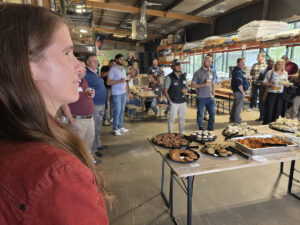
Social mapping could be useful for future environmental work. N.C. State University researchers demoed their new software at the recent NC CCAPE workshop.
Sound Rivers Program Director Clay Barber took a break from stormwater last Friday to make some technological connections that could aid in future Sound Rivers work.
The North Carolina Center for Coastal Algae, People and Environment (CCAPE) invited environmental stakeholders to a workshop last week to talk about their work and test out their new software aimed at creating connections to address environmental concerns.
“They demonstrated some new technology they’re working with, which was basically a social mapping program — imagine LinkedIn and a typical hierarchy chart—and the goal was to connect as many people and partners along the coast in the work that they’re doing,” Clay said. “So, we were all making a profile with the work you do, skills you have, the people you know and how you know them, and it analyzed your connection to people you may or may not know, but are working on related things. So, if a person saw a harmful algal bloom, they might contact anyone of these organizations that show up on the map and get it reported to DEQ.”
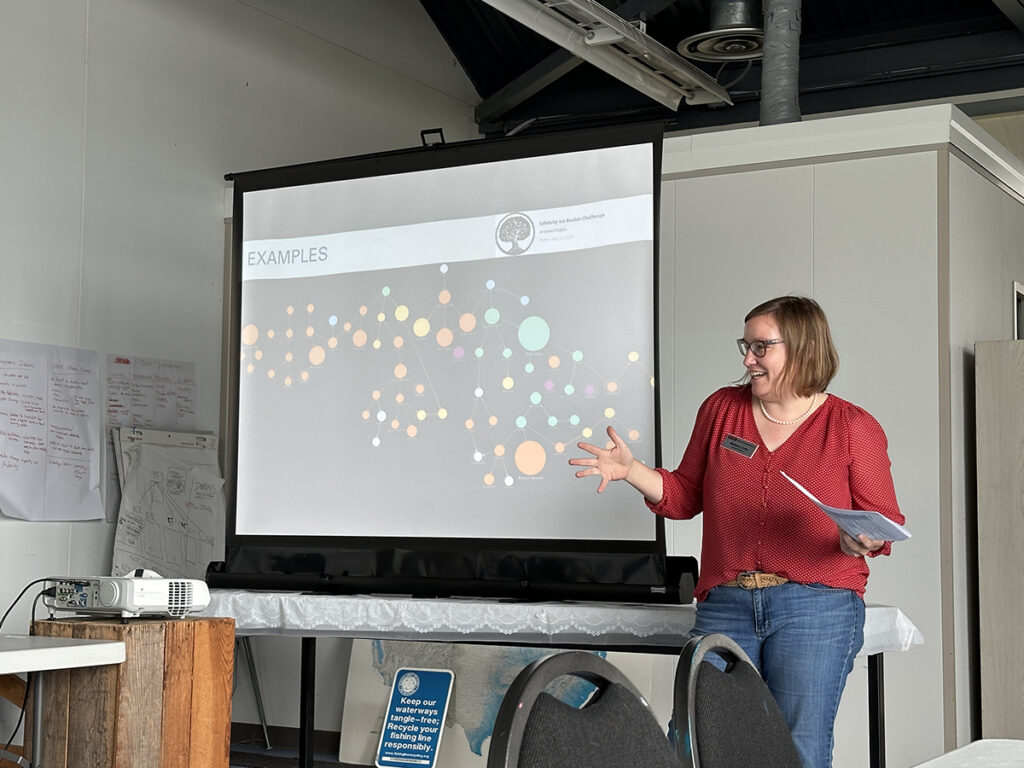
The NC CCAPE event was held by N.C. State University Associate Professor Bethany Cutts and other researchers whose work includes addressing public health and environmental challenges associated with harmful algal blooms in coastal waters.
“It was cool to be included in their testing of new technology — the tech itself is great,” Clay said. “If everybody in our networks was on it, it would be giant connection of people. It was great to help them with something they’re researching.”

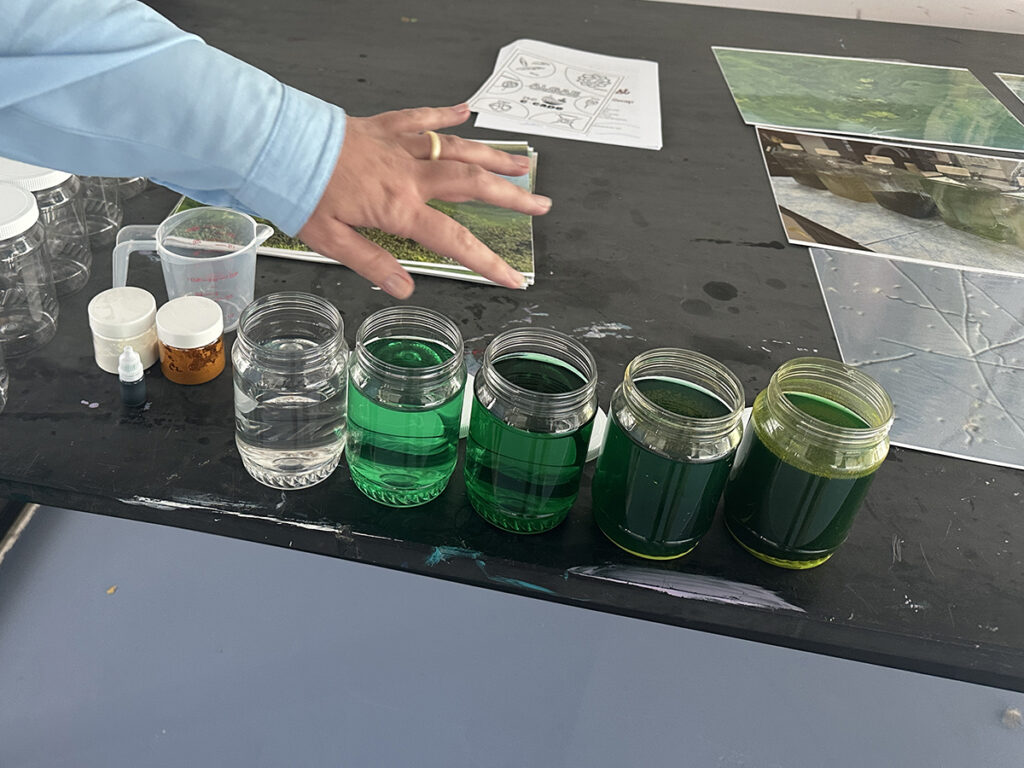
Clay also walked away with a fun, and impactful, tabletop demonstration: the evolution of an algal bloom: a series of mason jars with added powders that represent the stages of an algal bloom.
“That’ll be fun to use at an event,” he said.
Related News

2026 Oyster Roast Ticket Sales
September 2nd 2026
OYSTER ROAST 2026: Everything you need to know!
September 2nd 2026
Neuse River Fish Kill Continues
October 8th 2026
Data Center Moratoriums Advance
October 8th 2026
Speak Up Against the EPA's Disastrous Rollback of Wetland Protections
September 30th 2026
Swim Guide Survey
September 30th 2026
Specialist, Riverkeeper return to Slocum Creek
September 30th 2026
"No Water, No Beer"
September 30th 2026
Riverkeeper, specialist investigate Bridgeton fish kill
September 24th 2026
Cummins, Sound Rivers partner in schools’ cleanup
September 24th 2026