
News
NCDEQ confirms presence of cyanobacteria at popular kayaking spot
Posted on July 14th, 2022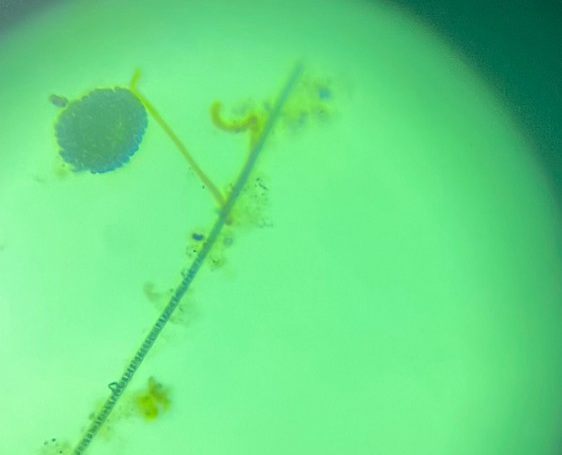
 North Carolina Department of Environmental Quality has confirmed that the organisms found at Robertson Millpond last week are cyanobacteria, which can produce toxins that lead to illness or even death (especially in pets).
Robertson Millpond is the only cypress swamp in Wake County and is a popular kayaking site. Please limit contact with, and keep your pets away from, water that is discolored, murky or odorous — it could be an algal bloom and potentially dangerous. We saw that a few weeks ago when a family pet died after swimming in Jordan Lake.
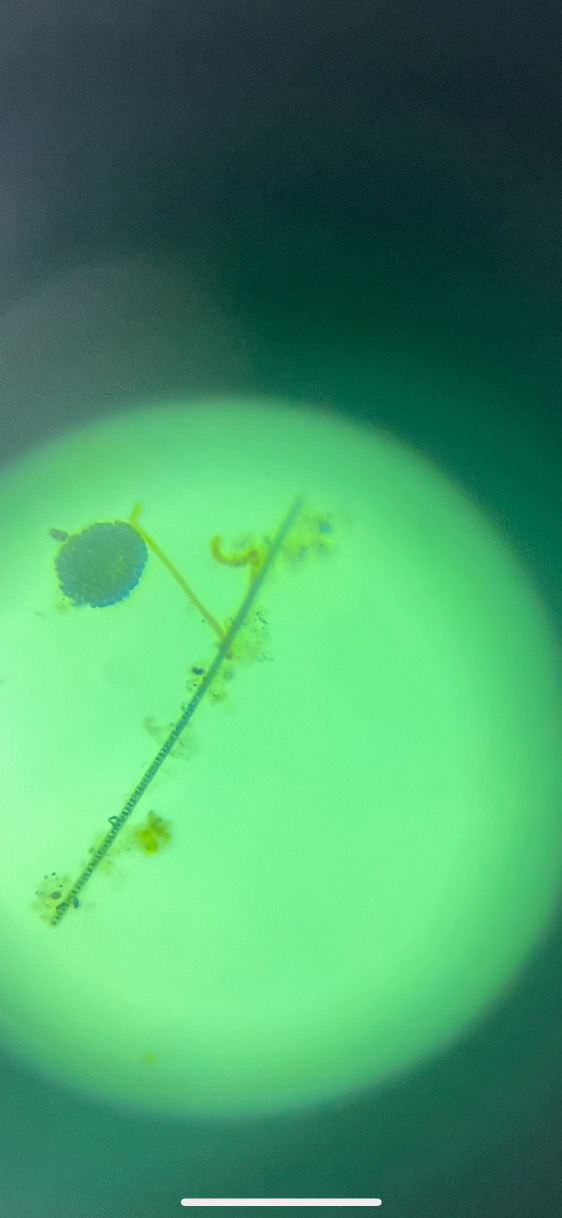
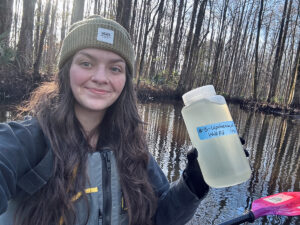
Neuse Riverkeeper Sam Krop spotted the algal bloom while kayaking at Robertson Millpond over the holiday weekend, took samples and tentatively identified one of the organisms under microscope as Microcystis (round, pictured on the left in the photo). Monday, NCDEQ confirmed the identification, and identified the other organism as Dolichospermum, another cyanobacteria (oblong, pictured right in the photo).
Sound Rivers’ new OMAX microscopes came from Waterkeepers Carolina, and at a recent conference in Charlotte, Sam and Pamlico-Tar Riverkeeper Jill Howell trained to use the microscopes to identify water-borne organisms.
Sam was accompanied on her kayaking trip by her dog, Charlie, and said coming across the algal bloom was a good reminder to keep pets (and herself) out of suspicious-looking water.
Related News

Wayne County biogas facility pollution nets NOV, again
January 29th 2026

One man, 75 tons of trash
January 29th 2026

Riverkeeper calls out loophole in Durham environmental protections
January 29th 2026

New, innovative stormwater project doing its job
January 29th 2026

Program director talks resiliency in Bath
January 29th 2026
Walnut Creek trash trap install ‘a breeze’
January 22nd 2026
Riverkeeper: southeast Durham watershed improvement plan lacking key data
January 22nd 2026
Specialist kicks off grant field work with Slocum Creek sampling
January 22nd 2026
