News
OLYMPUS DIGITAL CAMERA
 Last week the House Regulatory Reform Committee passed Senate Bill 131 (SB131). The bill does two things that, if passed, will have very negative outcomes for our rivers and streams.
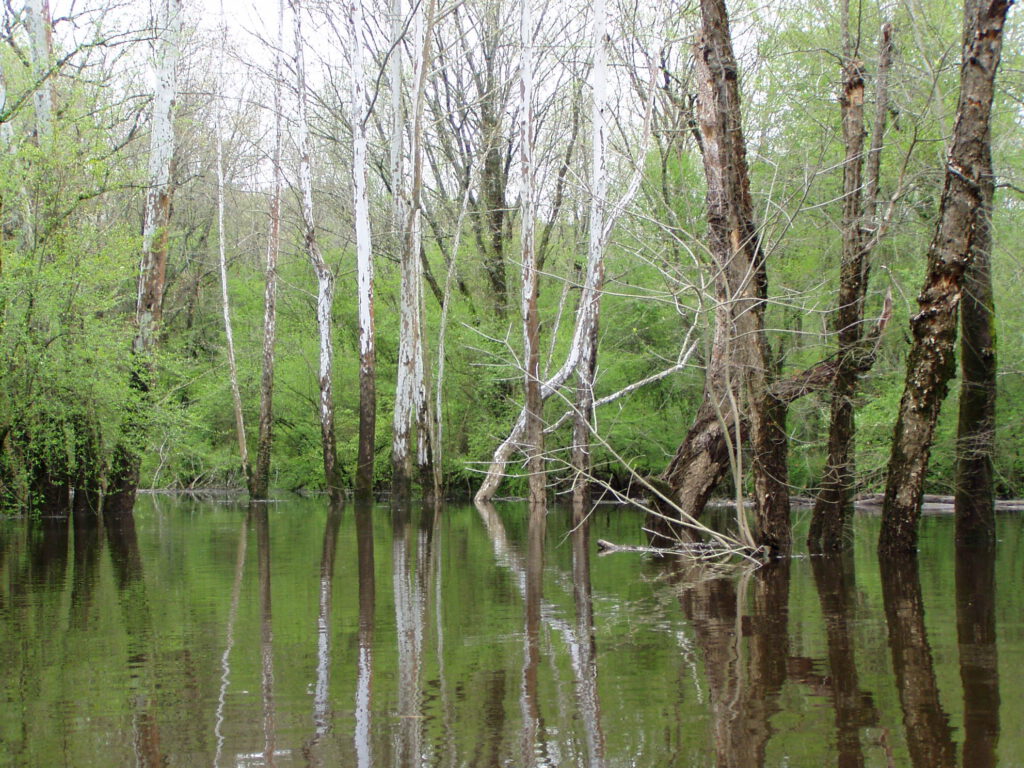
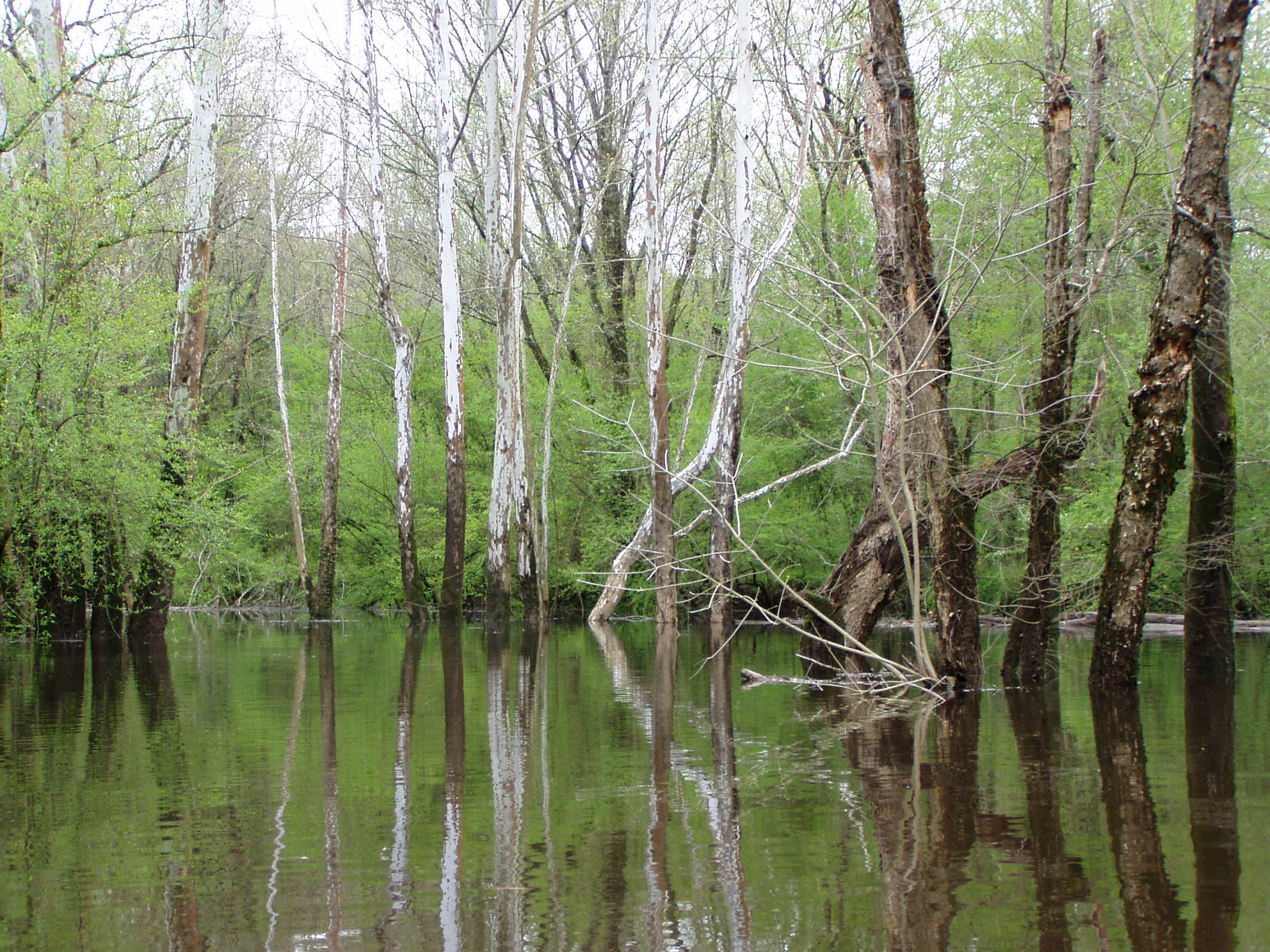
First, this bill will allow for twice the amount of river length to be destroyed. Currently a developer can destroy 150 feet of stream or river before having any consequences however, SB131 would change that to 300 feet. This means a developer can destroy the length of a football field of stream or the Neuse River without any consequences. What’s even more astonishing is that Representative Millis, when defending this section of the bill, said this will actually be good for water quality. So either Rep. Millis does not understand what this section of the bill does or he is deliberately misleading the other committee members and public.
Second, the bill will allow for any length of intermittent (headwater) streams to be destroyed with zero consequences. Below are just a few facts that outline the importance of intermittent streams.
- Of the streams that supply public drinking water systems, 56% are intermittent, ephemeral, or headwater streams. That’s over 7K miles out of 13K miles of streams in the state.
- As small headwater channels are lost, flooding increases downstream.
- Small streams are important in controlling the flow of water to larger streams. By controlling the flow of water to larger streams, an intact network of healthy headwater streams can reduce downstream flooding.
- NC’s small streams drain between 55% and 85% of the land area and are critical at protecting downstream water quality. This is where our drinking water sources begin!
It boggles the mind that both Representative Millis and Representative Bell from Eastern North Carolina would support a bill that will without question ensure that flooding is worse for their constituents just a few months after Hurricane Matthew.
Related News

2026 Oyster Roast Ticket Sales
September 2nd 2026
OYSTER ROAST 2026: Everything you need to know!
September 2nd 2026
Riverkeeper, specialist investigate Bridgeton fish kill
September 24th 2026
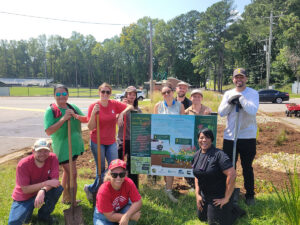
Cummins, Sound Rivers partner in schools’ cleanup
September 24th 2026

Scouting group goes on environmental adventure
September 24th 2026
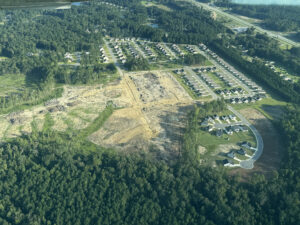
Flyover reveals Brices Creek sediment pollution sources
September 17th 2026
Low oxygen levels cause of New Bern fish kills
September 17th 2026
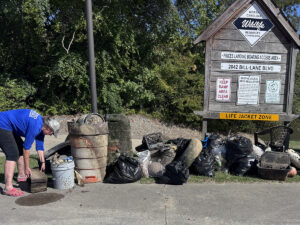
Inaugural Spruce up the Neuse a huge success
September 17th 2026
Boat day doubles as algal bloom surveillance
September 17th 2026

Controversial dock expansion prompts Riverkeeper response
September 10th 2026