News
Court affirms State must protect resources
Advocacy, Environmental, Neuse River Watershed, Sound Rivers, Tar-Pamlico Watershed, Water Quality
Posted on September 10th, 2026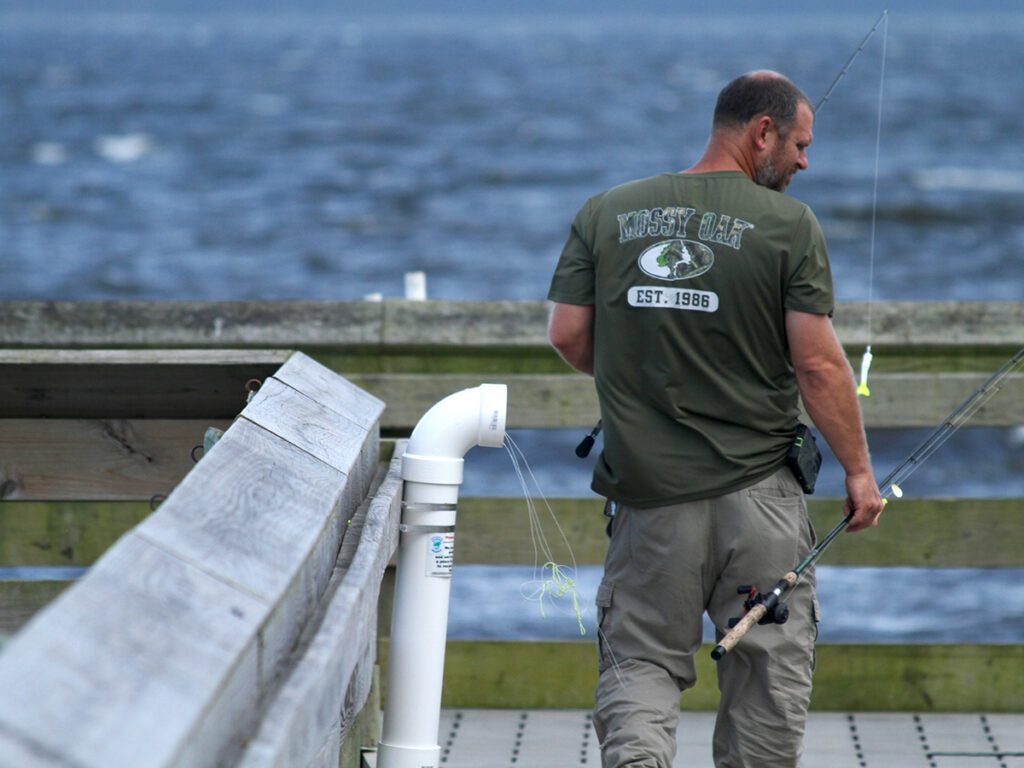
A fisherman prepares to cast a line into the Neuse River from the public pier in Oriental.
North Carolina has the obligation to conserve and protect its land, water and resources for the benefit of all citizenry, according to a Wake County Superior Court judge.
The decision, handed down on Aug. 18, determined the state was required to “preserve the people’s right to fish and harvest fish,” which includes a “duty to preserve fisheries for the benefit of the public” and a “duty to keep fisheries safe from injury, harm, or destruction for all time.”
The lawsuit, filed in 2020 by Coastal Conservation Association and 86 individual citizens, argued that by failing to properly manage coastal fisheries, allowing maximal, commercial exploitation and overfishing, the State violated the North Carolina Constitution and the public trust doctrine.
“We have watched this case closely over the years as it seeks to answer the question on what legal rights citizens have to hold the state accountable for upholding our constitutional rights for clean water, clean air, healthy fisheries and what would happen if the state fails to protect our natural resources,” said Sound Rivers Executive Director Heather Deck.
Sound Rivers lent its support to the lawsuit in 2022 by signing on to an amicus brief that addressed how state government must be held responsible for protecting public resources and held accountable by its citizenry when it does not.
The State, as part of its argument, asked the court to dismiss the case and for immunity from lawsuits holding it accountable. The courts have, so far, affirmed the State is responsible for conserving and protecting its lands and waters for the benefit of all its citizenry, as added to the North Carolina Constitution in 1972, following a voter-approved constitutional amendment. The amendment also calls for preservation of forests, wetlands, estuaries, beaches, historical sites, openlands, and places of beauty.”
Related News

OYSTER ROAST 2026: Everything you need to know!
September 2nd 2026

Vote!
October 15th 2026
Industrial park threatens nearly 30 acres of wetlands
October 15th 2026
Riverkeeper gives recap of Neuse fish kill
October 15th 2026
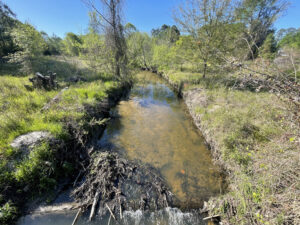
NC Land and Water Fund comes through with two new grants
October 15th 2026
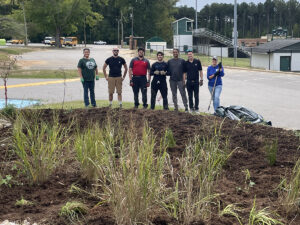
Staff, Cummins volunteers return for rain garden rehab
October 15th 2026
Photo of the Week: Sampling Run
October 15th 2026
Pamlico-Tar Riverkeeper visit Cypress Landing
October 15th 2026
CONSTRUCTION ALERT: A head’s up for Neuse paddlers in Wake County
October 15th 2026