News
Hurricane Florence Exposes Problems with Wastewater Infrastructure
Posted on December 26th, 2018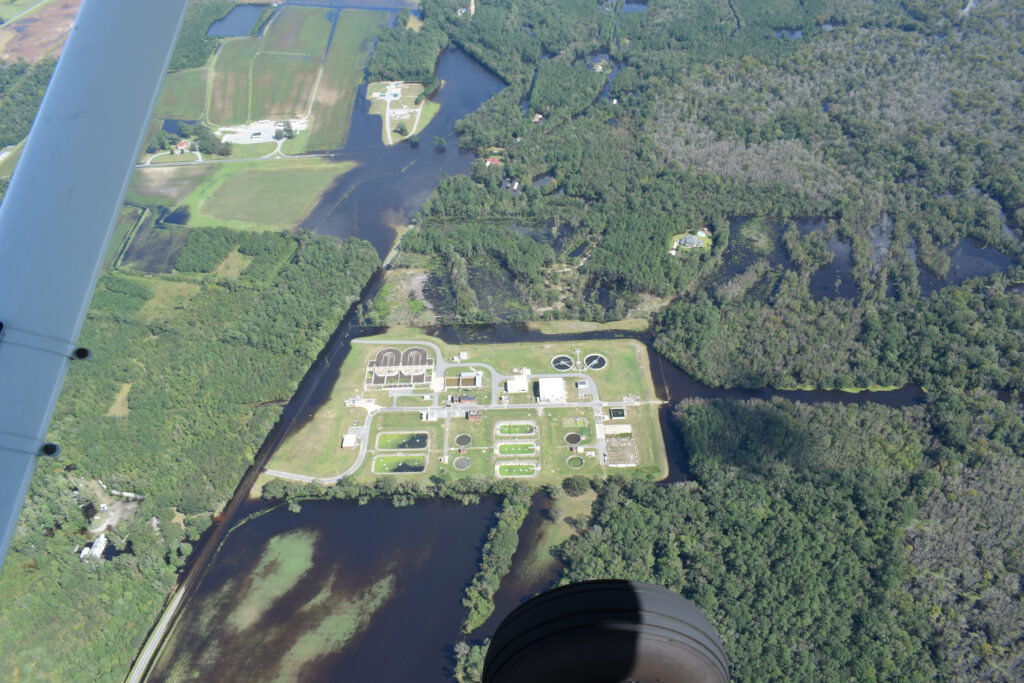
By Forrest English
On September 14th Hurricane Florence hit eastern North Carolina, hitting some areas with record storm surges from the ocean, pummeling the coast with tree toppling high winds, and dumping an awful lot of rain in every part of our watersheds.
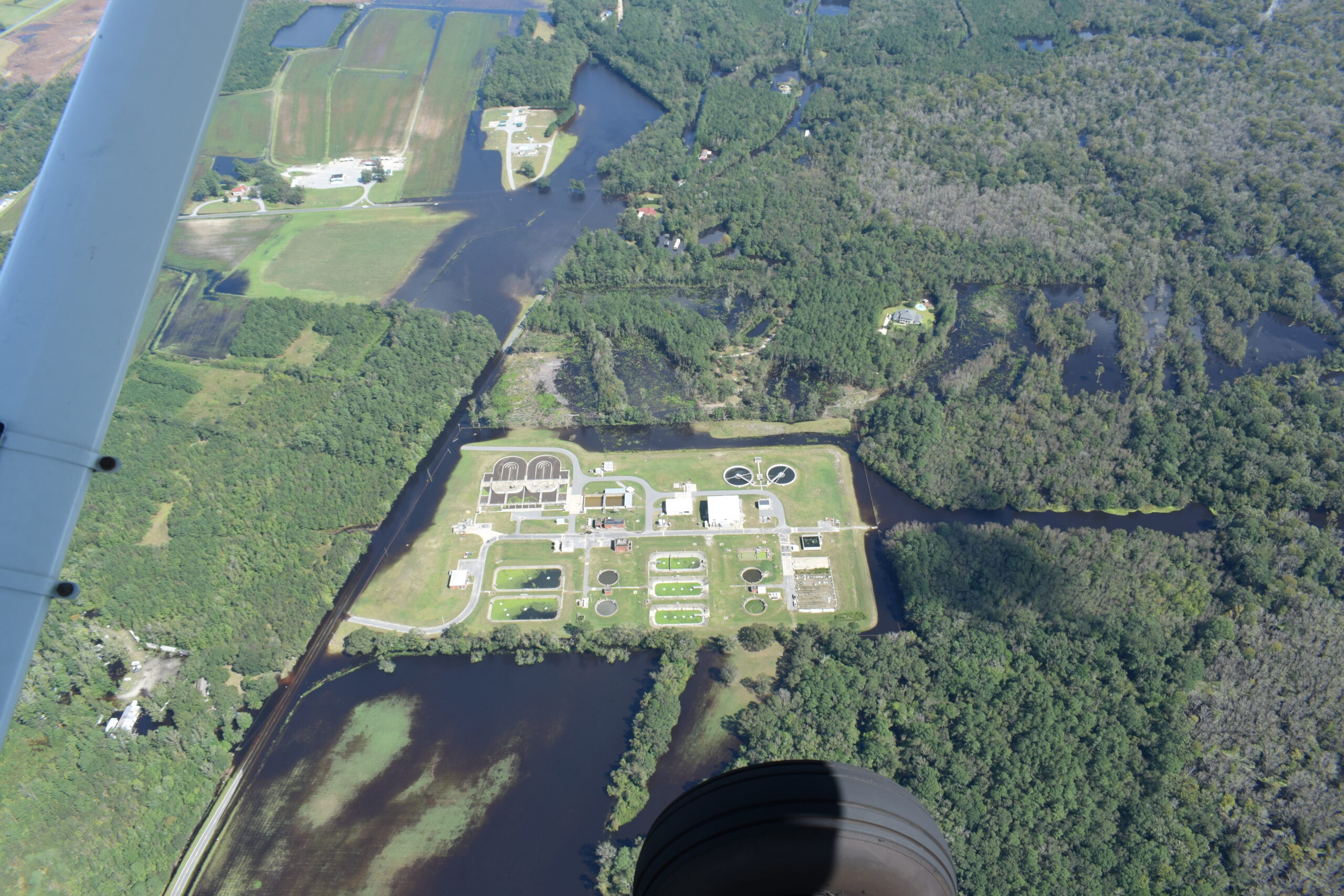
The storm surge and the huge amounts of rain combined to create widespread flooding throughout the region. The flooding and heavy rainfall overwhelmed wastewater infrastructure that our communities rely on to safely transport and treat raw sewage. When pumps lose power, waste lagoons are submerged or rain pushes into pipes, resulting in sewage spilling onto our streets and into our rivers.
Due to Hurricane Florence, more than half a million people in our region were advised to boil drinking water due to contamination from bacteria commonly found in sewage.
In our area, spills were reported in at least the following communities, Greenville, Washington, Belhaven, Aurora, Farmville, New Bern, Kinston, and Goldsboro, with potentially many more unreported. Between Florence and Michael 50, million gallons of sewage were reported as spilled in North Carolina, a number that is likely low due to difficulty of determining quantity of these leaks by many municipalities.
Florence showed us again why it is important that our communities prepare for the increased frequency of severe storms. We can do this in part by investing in upgrades to our sewer systems that take storms into account and by moving critical infrastructure like sewage treatment plants out of flood-prone areas along our rivers.
Related News
Neuse fish kill expected to extend beyond holiday weekend
July 3rd 2025
Swim Guide fails prompt Maple Cypress investigation
July 3rd 2025

Riverkeeper, town partners root out source of Smithfield sediment pollution
July 3rd 2025
Trash trap No. 12 approved for Smithfield
July 3rd 2025
Sunset River Paddle fundraiser boosts Water Quality Fund
July 3rd 2025

Riverkeepers host quarterly Water Watch meeting
July 3rd 2025
Public hearing will determine the fate of many NC wetlands
June 26th 2025
Clayton gets first official trash-trap cleanout
June 25th 2025