News
Tips for Helping Preserve Critical Aquatic Habitats Around You!
- Plant native North Carolina species of plants in your yard.
Not only do native plants require less water for survival, but this will prevent any spreading of non-native decorative plants to sensitive and important habitats like stream banks. The North Carolina Native Plant Society has an informative website that includes the ability to search for native plants you want using criteria like plant type, color, blooming time, and more.
- Sunscreen is important, but be smart about the kind that you’re buying.
When visiting the coastal areas of North Carolina, try to use sunscreens that contain titanium oxide or zinc oxide to keep your skin safe. Typically, sunscreen for kids or sensitive skin uses these compounds. Unlike other non-natural sun protection ingredients that have been linked to coral reef bleaching and harm, these natural minerals are thought to be more friendly to our waters.
- Avoid purchasing household products containing microbeads.
You may recognize microbeads as the tiny circular pieces within personal care products like toothpastes and exfoliating face washes. These small beads, sometimes not even visible to the human eye, are entirely made of plastic, can’t be filtered out during water treatment, will not biodegrade, and are slowly accumulating in our nation’s lakes, rivers, and the aquatic animals. Figure out which products you can buy that are free of microbeads. Extra good news is that the sale of products containing microbeads will be banned in the U.S. by 2017.
- Become a citizen scientist.
Thanks to the internet, it’s easier than ever to contribute to conservation-related science projects while enjoying the outdoors at the same time. There are a number of websites for all interests, but here’s a few great ones that relate to the animals around our waterways:
- Join a local chapter of FrogWatch USA and help keep tabs on the local frogs and toads, which can be great indicators of stream and habitat health.
- If you enjoy birdwatching, record the birds you see and contribute to Cornell University’s effort to better understand and map where bird species are and how many birds are in a spot.
- Enjoy the rivers around you!
Not only is it great to get outside, but the more you’re out on the river, the more likely it is that you’ll notice any changes in the environment. You could be the first line of defense in monitoring the health of your favorite stream! Remember to report a problem to one of our three Riverkeepers!
Related News
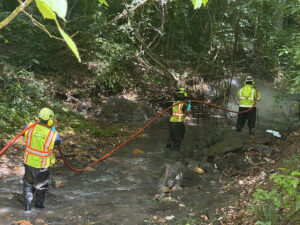
Sound Rivers investigates 1.1-million-gallon sewage spill
May 21st 2026
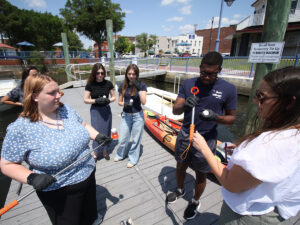
Sound Rivers welcomes 2026 interns
May 21st 2026
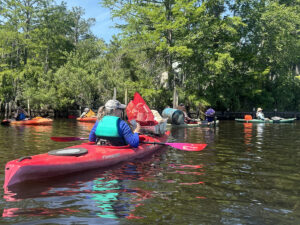
Clean Sweep, River Sweep lands 300-plus pounds of trash
May 21st 2026
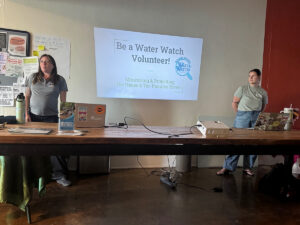
Water Watch hits another milestone with Durham turnout
May 21st 2026
Riverkeeper scouts for wastewater grant sampling sites
May 21st 2026
Rocky Mount annexes, postpones rezoning of data center land
May 14th 2026
Fieldwork: Specialist heads out for sampling, investigation
May 14th 2026

Blounts Creek groundwater modeling points to well impacts
May 14th 2026