News
EPA Expresses "Deep Concern" over Discriminatory Impacts of Industrial Hog Operations in NC
Posted on February 16th, 2017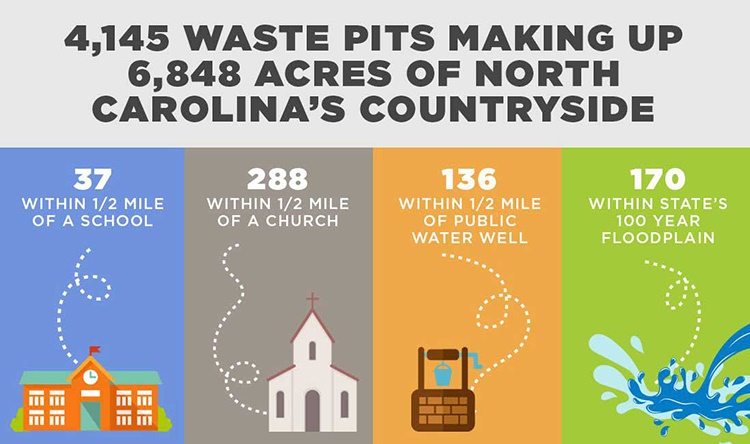
By Travis Graves, Lower Neuse Riverkeeper
In a January 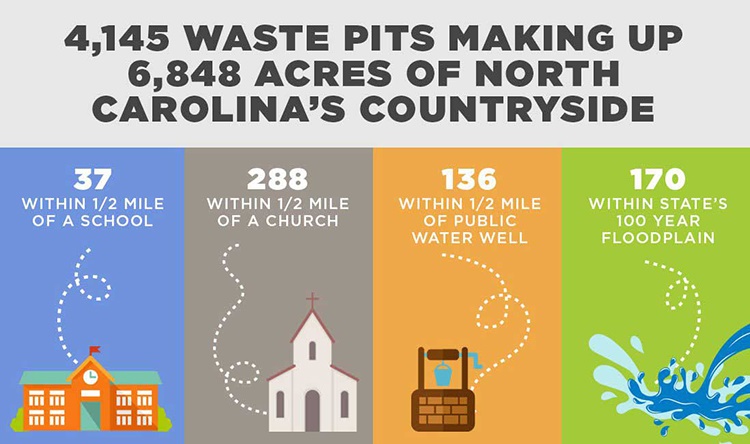 12th letter to the North Carolina Department of Environmental Quality (NCDEQ), the United States Environmental Protection Agency’s (EPA) External Civil Rights Compliance Office expressed “deep concern” that the State’s failure to adequately regulate more than 2,200 industrial hog operations has a disparate, discriminatory impact on African American, Latino, and Native American communities in eastern North Carolina. The letter was sent to NCDEQ in connection with EPA’s ongoing investigation into a federal civil rights complaint filed in September 2014 by the North Carolina Environmental Justice Network (NCEJN), the Rural Empowerment Association for Community Help (REACH), and Waterkeeper Alliance. The groups are represented in this matter by Earthjustice and the UNC Center For Civil Rights.
EPA’s “Letter of Concern” urges NCDEQ to take immediate steps to address the discriminatory impacts of the state’s swine waste management system. For decades, state law has allowed industrial swine operations to dispose of hog waste using lagoon and sprayfield systems, which store hog feces and urine in open-air, unlined pits before spraying this waste onto fields.
EPA’s documented concerns come three months after community members from eastern North Carolina traveled to Washington, D.C. and urged agency officials to visit the region to better understand the health and environmental impacts that industrial hog operations have on communities of color. EPA officials made the trip to North Carolina last November as part of a fact-finding effort that yielded testimony from 85 residents who live in close proximity to these facilities.
In response, the newly appointed NC DEQ Secretary, Michael Regan (see page 11) released a public statement in the News and Observer, noting that the agency will be taking action to address the concerns raised by EPA. The letter stated, “we take seriously our legal and moral obligation to protect the environment as well as the health and well-being of all North Carolina residents. While the Cooper administration was not involved in these issues or the investigation that dates back to 2014, we will take this opportunity to thoroughly explore this matter with an open mind and a fresh set of eyes.”
The Sound Rivers staff looks forward to working with NCDEQ to resolve these and many other water pollution issues caused by industrial hog and poultry operations.
Related News

2026 Oyster Roast Ticket Sales
September 2nd 2026
OYSTER ROAST 2026: Everything you need to know!
September 2nd 2026
Neuse River Fish Kill Continues
October 8th 2026
Data Center Moratoriums Advance
October 8th 2026
Speak Up Against the EPA's Disastrous Rollback of Wetland Protections
September 30th 2026
Swim Guide Survey
September 30th 2026
Specialist, Riverkeeper return to Slocum Creek
September 30th 2026
"No Water, No Beer"
September 30th 2026
Riverkeeper, specialist investigate Bridgeton fish kill
September 24th 2026
Cummins, Sound Rivers partner in schools’ cleanup
September 24th 2026