News
CAFO CONCERNS: Riverkeeper attends DEQ stakeholders meeting
Advocacy, CAFOs, Environmental, Neuse River Watershed, Sound Rivers, Water Quality
Posted on April 16th, 2026
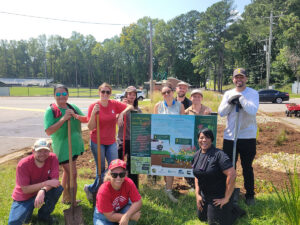
Neuse Riverkeeper Samantha Krop (third from right) pictured with stakeholders at the engagement session at North Carolina Department of Environmental Quality headquarters.
Neuse Riverkeeper Samantha Krop was at North Carolina Department of Environmental Quality headquarters this week weighing in general permits for animal feeding operations.
“It is a valuable opportunity to be able to offer input on such an important regulatory process,” Samantha said. “However, it highlights the significant shortcomings in the existing permits and all of the gaps that still exist where protections for water and protections for communities should be.”
Every five years the general permit covering wet waste (swine, swine biodigester, cattle, cattle biodigester, poultry and poultry biodigester) are renewed, a process that requires stakeholder participation, rule drafting, finalization and adoption. Since the majority of poultry operations produce “dry litter,” they require no permit.
Samantha’s particular focus in on swine permits and the impacts from outdated systems and loopholes.
“The big picture shows us the lagoon and sprayfield system is problematic in that we have ample scientific and medical evidence it disproportionately affects low-income communities,” Samantha said. “The process fills waterways with nutrients and heavy metals, and the spray often ends up on people’s properties and even in their homes. There are no safeguards addressing these well-document issues.”
In a lawsuit decided last year, the North Carolina Supreme Court ruled state regulators do not have the ability to require concentrated animal feeding operations to submit a report summarizing operations, including number of animals permitted lagoons and acres on which manure is applied; and some industrial operations located in the floodplain are no longer required to conduct monitoring to ensure lagoon waste is not infiltrating groundwater.
Samantha said another thing missing from the general permit is a process for holding facilities accountable that have a history of mismanagement and/or not abiding by state regulations. There’s also the issue of a loophole around a 1990s moratorium on building hog waste lagoons: as long as it a lagoon that’s covered with a biogas digester, it’s not considered by the state to be a waste lagoon, regardless of impacts.
“They are constructing new waste lagoons on the landscape and skirting around the moratorium by calling it ‘green energy,’” Samantha said.
Samantha said she was not alone in pushing for stronger safeguards for communities and waterways.
“I was in a room full of stakeholders who are truly heroes in the world of environmental justice organizing: NAACP, NC REACH, Environmental Justice Network, Environmental Justice Community Action Network and a variety of waterkeeper organizations who’ve been working on this stuff for years,” she said. “It’s rare for all of us to be in the same places advocating with the same message. It’s an important reminder that none of us are in this alone, and we will continue to do this work until we see some sort of justice for the communities impacted by these waste-management practices.”
Like the work your Riverkeeper is doing to protect your waterways and the communities that rely on them? We do! Donate today to support her work!
Related News

2026 Oyster Roast Ticket Sales
September 2nd 2026
OYSTER ROAST 2026: Everything you need to know!
September 2nd 2026
Neuse River Fish Kill Continues
October 8th 2026
Data Center Moratoriums Advance
October 8th 2026
Speak Up Against the EPA's Disastrous Rollback of Wetland Protections
September 30th 2026
Swim Guide Survey
September 30th 2026
Specialist, Riverkeeper return to Slocum Creek
September 30th 2026
"No Water, No Beer"
September 30th 2026
Riverkeeper, specialist investigate Bridgeton fish kill
September 24th 2026
Cummins, Sound Rivers partner in schools’ cleanup
September 24th 2026