News
Science versus Hype
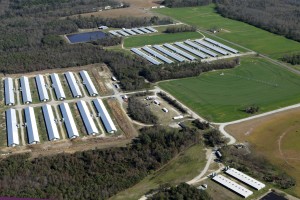
The industrial swine and poultry industries are once again misleading the North Carolina public about 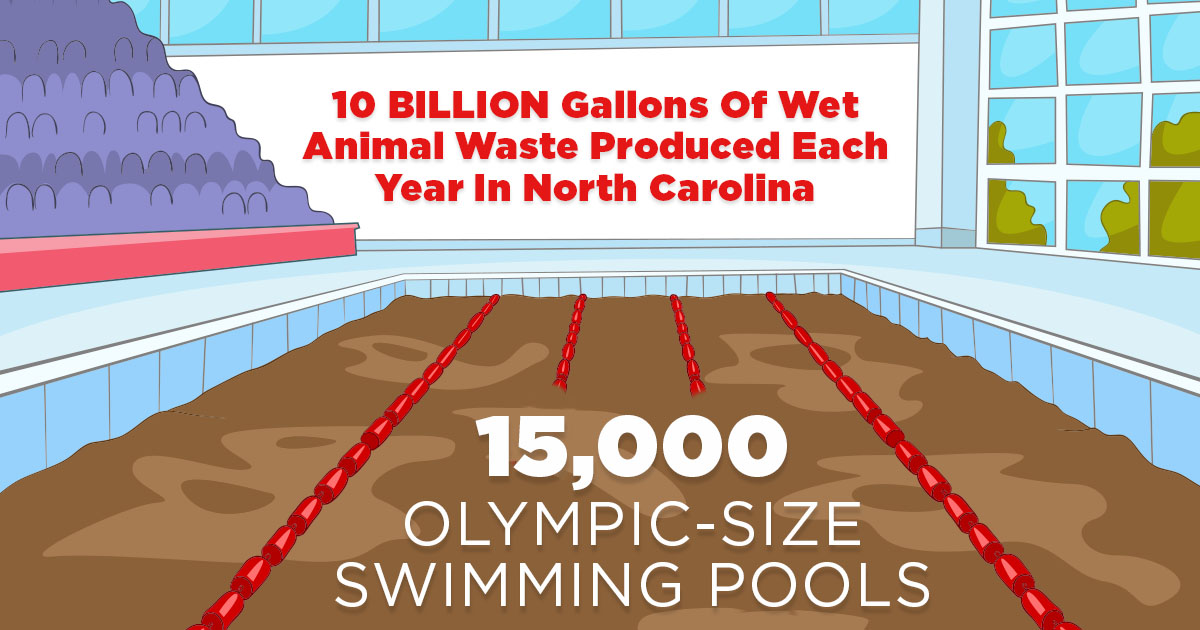 the impacts that their facilities have on our waterways. Recently, NC Farm Families, an industry-supported interest group, published a video using a mapping project developed by Environmental Working Group, Waterkeeper Alliance and North Carolina Riverkeepers. The mapping project is a first-of-its-kind interactive map revealing the locations of more than 6,500 concentrated animal feeding operations, or CAFOs, across the state of North Carolina.
The video produced by NC Farm Families takes this information out of context, and attempts to use it to suggest that these industrial animal facilities are not responsible for water pollution. NC Farm Families argues that the bulk of the state’s impaired streams are around urban areas upstream from swine or poultry facilities and thus could not be affected by their operations.
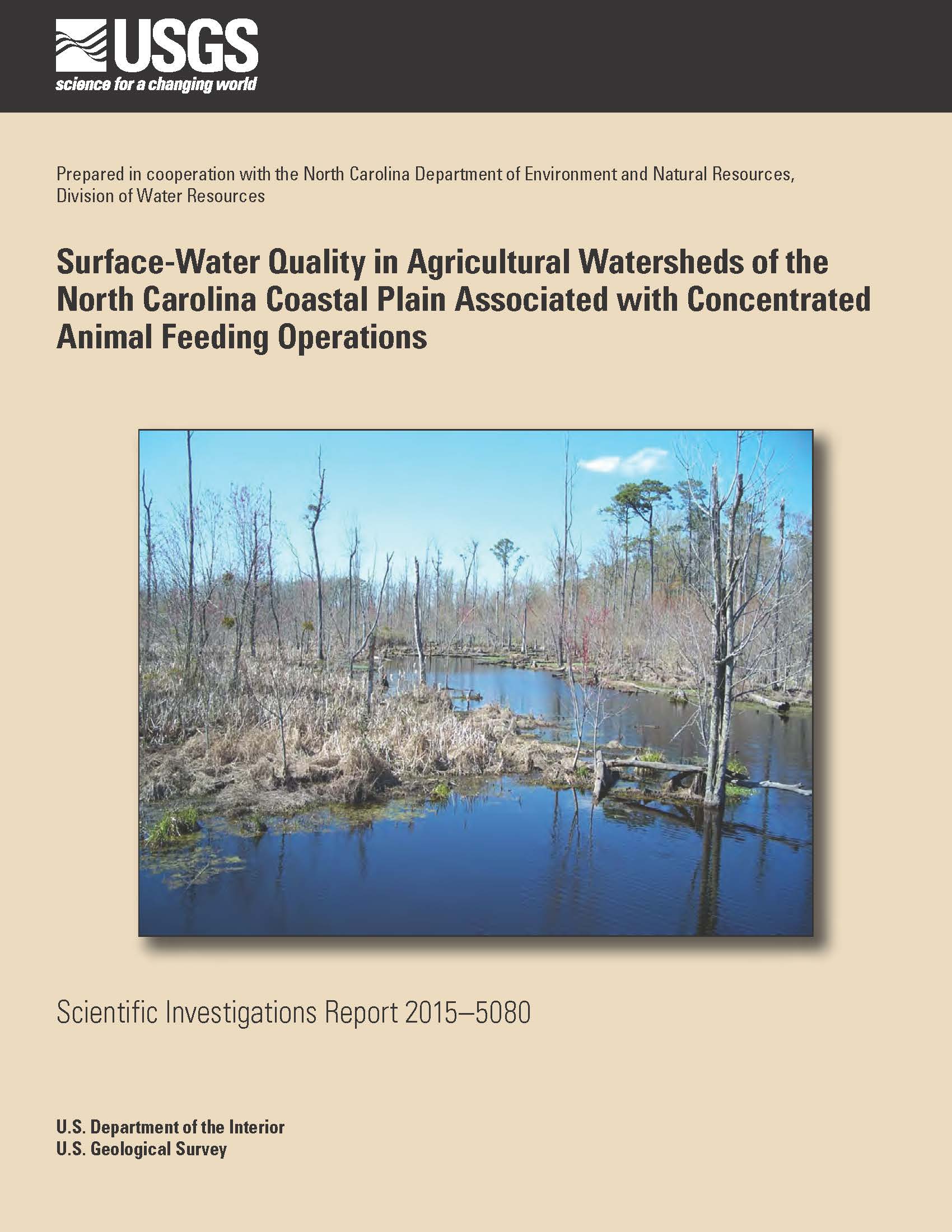 But consider this from a recent USGS study, which notes that the lists of impaired streams is misleading due to a lack of data:
“The lack of stream water-quality data [referring to the State’s list of impaired water] associated with the many permitted swine concentrated animal feeding operations (CAFOs) in eastern North Carolina makes it difficult for the Division of Water Resources to:
- Assess the extent to which effects of swine CAFOs on stream nutrient concentrations can be measured
- Determine how well existing CAFO regulations protect the waters of the state
- Recommend effective changes to regulations or procedure”
As a result of this incomplete data, North Carolina state personnel teamed up with the USGS to examine whether there was in fact surface water pollution caused by industrial swine and poultry operations. This is what the report found:
“On the basis of the results of this study, land applications of waste manure at swine CAFOs influenced ion and nutrient chemistry in many of the North Carolina Coastal Plain streams that were studied.”
The report goes on to say that in areas where there are more waste sprayfields and/or higher concentration of swine barns, more pollution is present. So, NC Farm Families either has not read an important, well-publicized study by USGS, or is purposefully misleading the public, when they suggest hog and poultry production facilities in North Carolina aren’t responsible for polluted water.
Additional Information
http://waterkeeper.org/hog-industrys-assertion-that-black-river-is-clean-doesnt-stand-up-to-scrutiny/
http://waterkeeper.org/the-black-river-is-not-pristine/
http://waterkeeper.org/update-black-river-still-at-risk-hog-industry-still-peddling-deception/
Related News

OYSTER ROAST 2026: Everything you need to know!
September 2nd 2026
Vote!
October 15th 2026
Industrial park threatens nearly 30 acres of wetlands
October 15th 2026
Riverkeeper gives recap of Neuse fish kill
October 15th 2026
NC Land and Water Fund comes through with two new grants
October 15th 2026
Staff, Cummins volunteers return for rain garden rehab
October 15th 2026
Photo of the Week: Sampling Run
October 15th 2026
Pamlico-Tar Riverkeeper visit Cypress Landing
October 15th 2026
CONSTRUCTION ALERT: A head’s up for Neuse paddlers in Wake County
October 15th 2026