
News
Lick Creek win: agreement stops Durham pollution, results in fines and preservation of 62-acre tract
Environmental, Neuse River Watershed, Sound Rivers, Stormwater Runoff, Water Quality
Posted on September 18th, 2025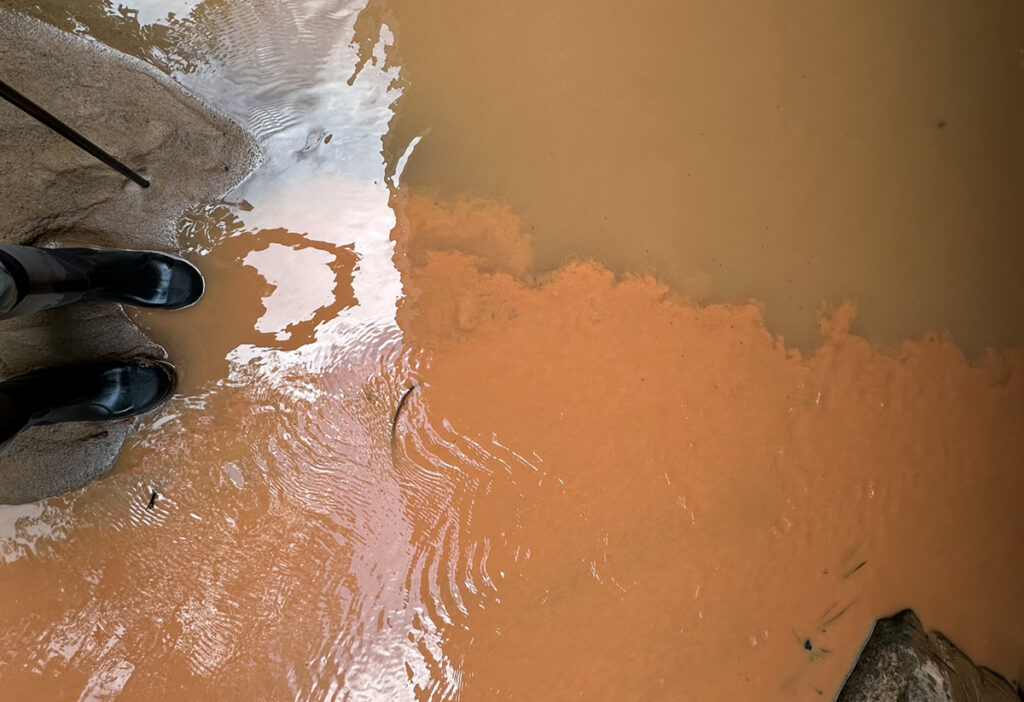
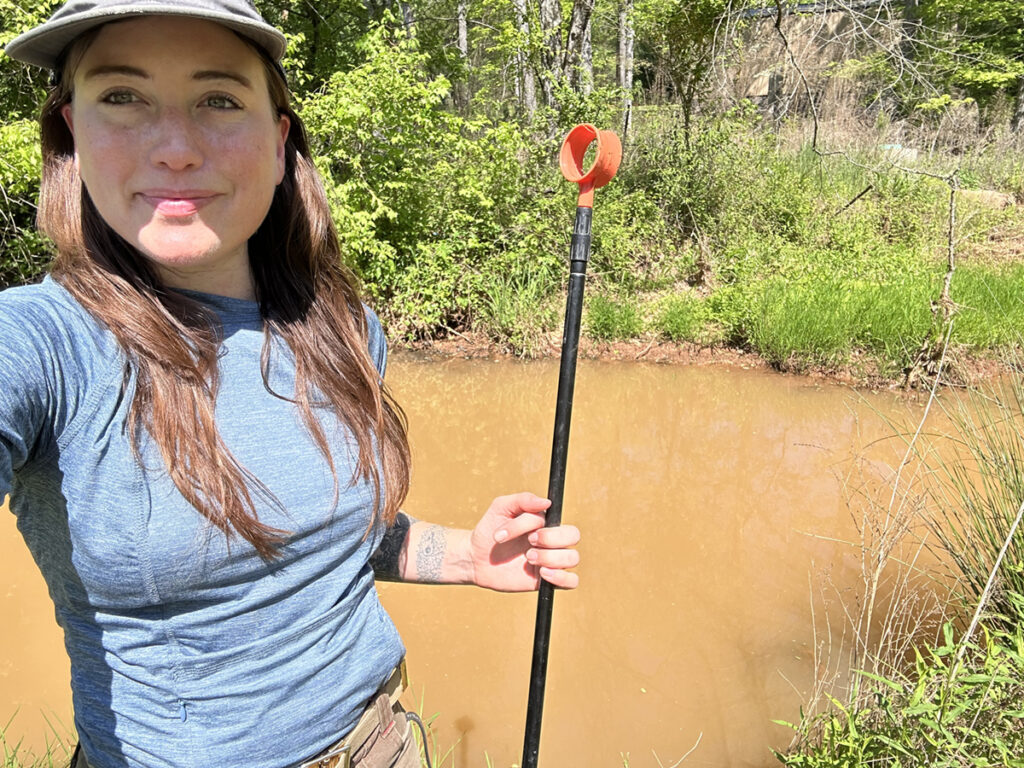
Neuse Riverkeeper Samantha Krop stands at the confluence of Martin Branch and Lick Creek in southeast Durham.
CHAPEL HILL – Sound Rivers and the Southern Environmental Law Center today announced the settlement of a lawsuit to stop ongoing sediment pollution from a residential development into two Durham streams, Martin Branch and Hurricane Creek. These streams connect through Lick Creek into Falls Lake, a drinking water source for Raleigh and surrounding communities. As part of the settlement, the developer will take actions to prevent further pollution and contribute funds to purchase and protect a 62-acre tract of property in the watershed from development, as well as pay $30,000 in civil penalties to the federal treasury.
In 2023, the Southern Environmental Law Center filed a lawsuit on Sound Rivers behalf against Clayton Properties Group, Inc., which conducts business in North Carolina as Mungo Homes, in the U.S. District Court for the Middle District of North Carolina, for violations of the Clean Water Act at Sweetbrier – a 616-lot subdivision on a 216-acre site in southeast Durham.
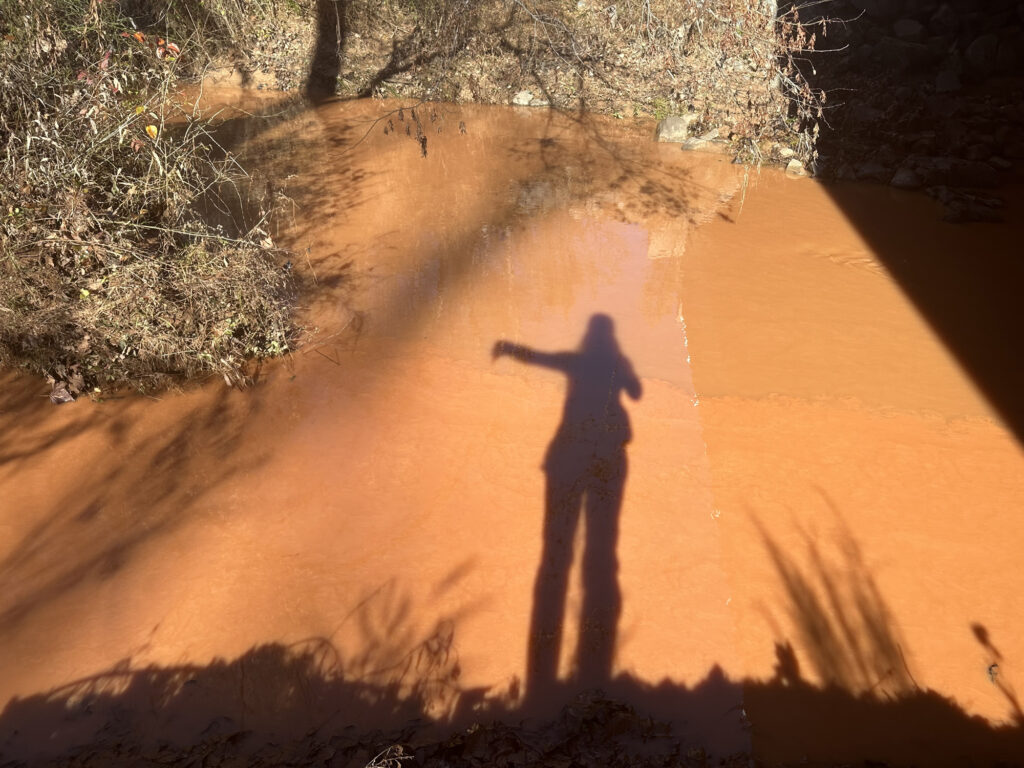
Sound Rivers’ extensive sampling downstream of Sweetbrier showed severe and pervasive water quality violations for over two years, including sediment pollution at levels that were regularly 10 to 20 times higher than North Carolina’s standard for healthy waterways. Sound Rivers also documented over 300 instances of permit violations based on inspections of the site, including the chronic failure to properly install or maintain erosion control measures. Excess sediment turned the water in the creek bright orange as captured in photographs documenting the pollution from the development site.
“We cannot allow North Carolina’s streams and waterways or Falls Lake or to become dumping grounds for developers,” said Jamie Whitlock, senior attorney at the Southern Environmental Law Center. “The reasons that make Durham desirable and North Carolina a place where we all want to live must be protected even as development booms. This agreement requires Mungo Homes to stop the sediment pollution that was running into these streams and protects an important tributary into Raleigh’s drinking water source in addition to assessing penalties for violations of the Clean Water Act that harmed water quality and aquatic life.”
As part of the federally enforceable agreement reached, Mungo Homes must take actions to stabilize exposed soils and install and maintain additional erosion and sedimentation control measures at its Sweetbrier site. Both actions are intended to prevent sediment from polluting surface waters on and offsite as construction continues. Such pollution degrades water quality and makes it difficult for fish and other aquatic wildlife to breathe and live. The agreement also includes procedures to ensure proper completion of these additional pollution controls.
The developer will also pay $270,000 to the Triangle Land Conservancy to purchase and protect a 62-acre tract of property in the Lick Creek watershed which includes a significant tributary to Lick Creek. Protecting this tract and tributary in the watershed and upstream of Falls Lake, a drinking water source for Raleigh, is significant to water quality because this area of Southeast Durham has seen an exponential increase in development. The developer will also pay $50,000 in attorney fees as part of the settlement.
“We hope that this settlement serves as a powerful deterrent to bad actors who recklessly harm our waterways with irresponsible construction practices, and an unambiguous warning that pollution of our waterways will be met with serious legal and financial consequences,” said Sound Rivers’ Neuse Riverkeeper and Director of Advocacy Samantha Krop. “By compelling this developer to contribute to land conservation in the Lick Creek watershed, we are able to turn this egregious environmental harm into a lasting protection for this impaired waterway and the community members who rely on it.”
Sediment is the leading cause of water pollution in North Carolina by volume, and the effects of sediment pollution can persist in streambeds long after the end of construction, and the destruction of habitat can affect wildlife long term. Developers are required to ensure that construction activities do not harm water quality for communities, who rely on water sources for a variety of uses including fishing, swimming, boating, and drinking water supplies.
About Southern Environmental Law Center
The Southern Environmental Law Center is one of the nation’s most powerful defenders of the environment, rooted in the South. With a long track record, SELC takes on the toughest environmental challenges in court, in government, and in our communities to protect our region’s air, water, climate, wildlife, lands, and people. Nonprofit and nonpartisan, the organization has a staff of 200, including more than 130 legal and policy experts, and is headquartered in Charlottesville, Va., with offices in Asheville, Atlanta, Birmingham, Chapel Hill, Charleston, Nashville, Richmond, and Washington, D.C. selc.org.
Related News
Program director scouts potential projects at Rocky Mount High School
February 5th 2026

Strategizing the star of Kingsboro data center meeting
February 5th 2026

Snowmageddon: Oriental
February 5th 2026

Cleanup community honors prolific litter-getter
February 5th 2026

Ice an unexpected litter-free helper
February 5th 2026

Riverkeeper represents Sound Rivers at film festival
February 5th 2026

Wayne County biogas facility pollution nets NOV, again
January 29th 2026

One man, 75 tons of trash
January 29th 2026
